






My alarm went off at 4:10 a.m., which is not an hour I associate with anything good, and yet there I was in the dark parking lot of the Yakusugi Nature Museum in Yakushima, shivering in a fleece I’d been assured I wouldn’t need in September. The first shuttle bus to the Arakawa trailhead leaves painfully early because the hike to Jomon Sugi, the island’s most famous ancient cedar, takes most people ten hours round trip. I’d read that sentence a dozen times before I booked my ferry ticket from Kagoshima, and I still wasn’t sure I believed it until I was standing in the mist watching my own breath.
Five years into living in Japan, I thought I had a decent handle on what counted as a “big” day trip. Yakushima recalibrated that completely. This is a subtropical island off the southern tip of Kyushu that somehow also has snow-capped peaks in winter and rainforest so thick and mossy it inspired Hayao Miyazaki’s Princess Mononoke. You feel that immediately on the trail, like you’ve wandered into a part of Japan that forgot to modernize, on purpose.
The Trail to Jomon Sugi
The hike starts along an old logging railway — flat, easy, almost deceptively pleasant, with wooden sleepers laid over a narrow-gauge track that hasn’t carried a train in decades. That part lulled me into a false sense of security for about two hours. Then the trail turns uphill onto root-tangled stone steps and boardwalks that climb steadily through cedar forest so dense the morning light barely made it to the ground.
Along the way you pass Wilson’s Stump, the massive hollowed-out base of a cedar felled centuries ago, big enough that a handful of hikers were sitting inside it eating rice balls when I got there. Locals will tell you to look up from inside the stump — depending on where you stand, the opening above frames a perfect little patch of sky shaped almost like a heart. I stood there rotating in a circle like an idiot for a solid five minutes trying to find the angle, and honestly, it was worth it.
A Forest Older Than Japan’s Written History
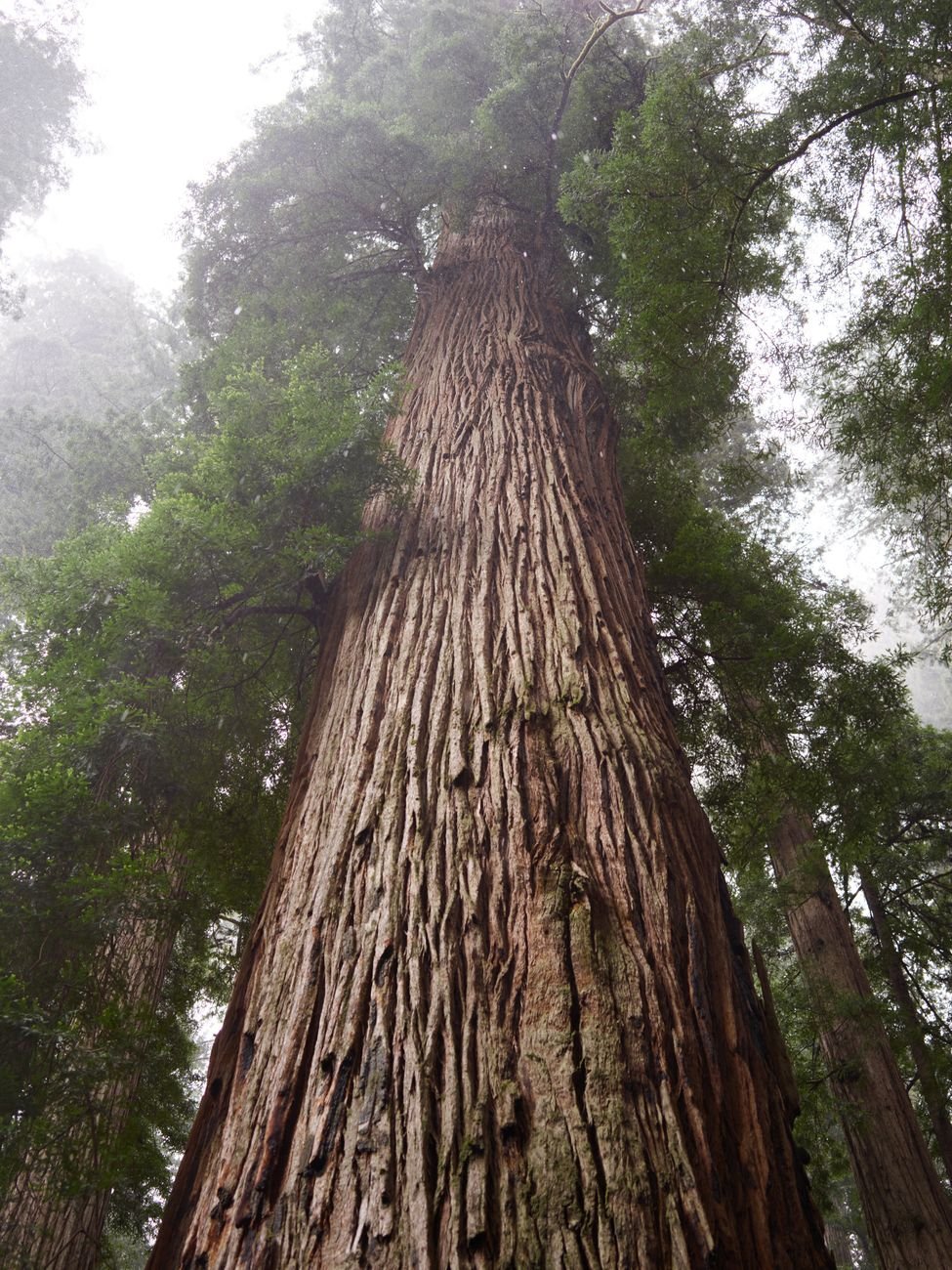
Jomon Sugi itself is now fenced off and viewed from a wooden platform rather than up close, which disappointed me for about thirty seconds until I actually saw it. Estimates of its age range wildly, anywhere from 2,000 to over 7,000 years, depending on which researcher you ask, and standing in front of something that might predate the pyramids has a way of making your commute complaints feel very small. On Yakushima, any cedar tree believed to be at least 1,000 years old earns the honorific “yakusugi,” and the island is full of them, gnarled and moss-draped and often split into strange shapes from centuries of typhoons.
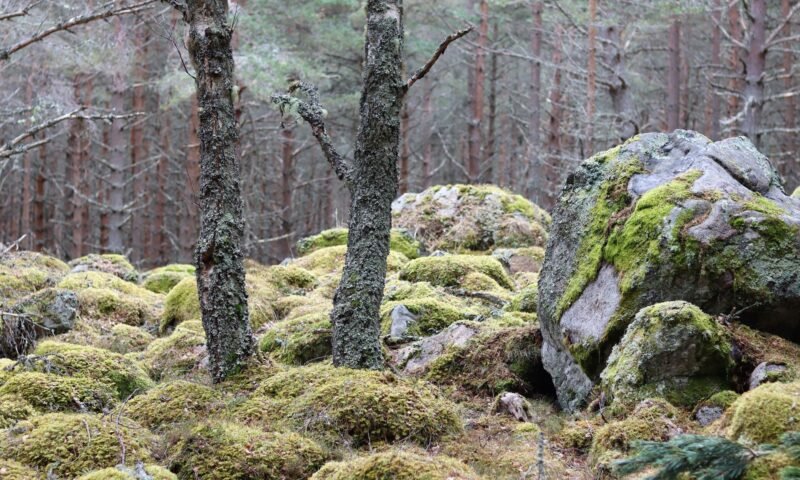
What struck me more than Jomon Sugi itself, honestly, was everything around it. The forest floor is carpeted in so much moss it looks upholstered. Streams cut through granite boulders everywhere, and the humidity here is legendary for a reason — Yakushima gets so much rain that locals joke it rains 35 days a month. That rain is exactly why the moss forests exist, and exactly why Miyazaki’s animators reportedly came here for inspiration before drawing the forest spirits of Mononoke Hime. Walking through Shiratani Unsuikyo, a slightly shorter and more accessible mossy ravine trail near the same trailhead area, I kept catching myself half-expecting a kodama to peek out from behind a tree.
Getting There and Practical Tips
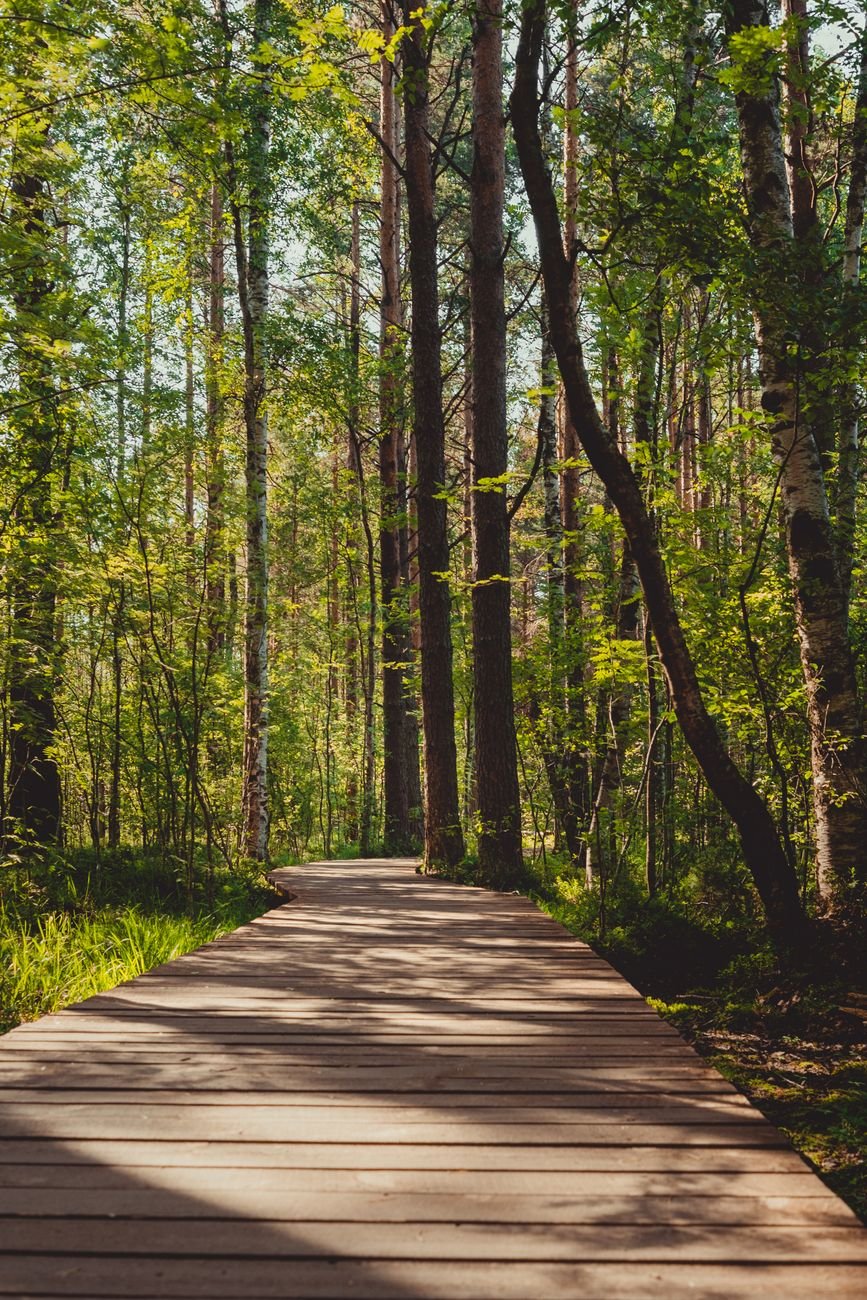
Yakushima is reachable by high-speed ferry (about two hours) or small propeller plane from Kagoshima, and most visitors base themselves in Miyanoura or Anbo. The Jomon Sugi trail requires an early shuttle bus reservation from one of the designated parking areas since private cars aren’t allowed all the way to the trailhead, and I’d genuinely recommend hiring a local guide if it’s your first time — the trail branches in a few confusing spots, and guides know which viewpoints and rest stops are worth the extra five minutes. Bring more water than you think you need, wear real hiking shoes rather than sneakers because the boardwalks get slick, and pack layers since the temperature swings hard between the coastal starting point and the higher elevation forest. Peak season (May and the summer holidays) gets crowded enough that toilet tents along the route can have real lines, so if you have flexibility, aim for a weekday in late September or October when the crowds thin out but the trail is still clear of snow.
If ten hours of hiking sounds like too much, Shiratani Unsuikyo alone is a wonderful half-day alternative that gives you the moss-forest magic without the marathon, and Yakusugi Land near Anbo has shorter loop courses with boardwalks suitable for almost any fitness level.
Why It Stays With You
I’ve done a lot of “bucket list” Japan trips at this point, but Yakushima is the only one where I came home and immediately started googling flights back. There’s something about standing next to a living thing that has quietly existed for thousands of years — through dynasties, wars, and whatever this week’s news cycle is — that resets your sense of scale in a way temples and city skylines just don’t. My legs were sore for four days afterward and I’d still do the whole ten hours again tomorrow.
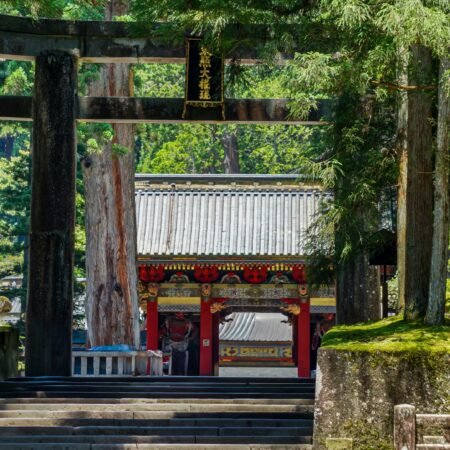
A quick note on photos: some of the images here are stock photos I’ve used to set the mood — they may not be the exact spot or moment I’m describing, just close in spirit.

コメント