







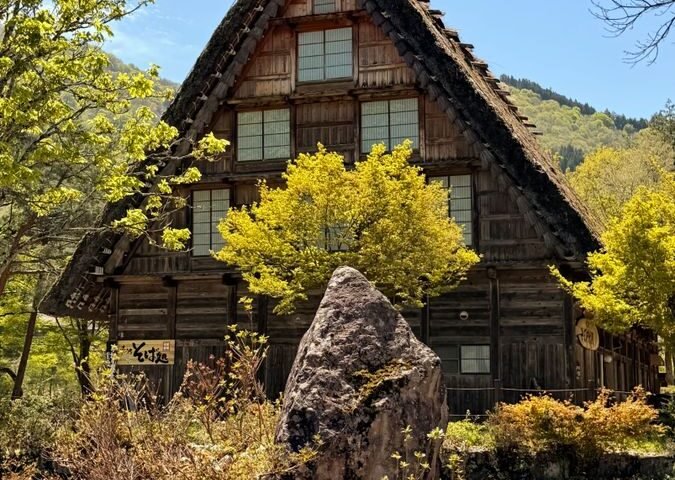
I’ll admit it: every photo I’d ever seen of Shirakawa-go had snow piled a meter deep on those steep thatched roofs, so when I finally made the trip this summer, some small part of me was disappointed there wasn’t a single snowflake in sight. That disappointment lasted about four minutes. Then the bus rounded the last bend of the mountain road, the valley opened up, and I was looking down at a cluster of gassho-zukuri farmhouses sitting in a sea of green rice paddies like something out of a folk tale. Snow or no snow, I actually gasped out loud on a public bus, which is not a very “I’ve lived here five years and I’m basically unshakeable” thing to do, but there it is.
Shirakawa-go is a small village — really a cluster of hamlets, the main one called Ogimachi — tucked into the mountains of Gifu Prefecture, roughly between Takayama and Kanazawa. It’s a UNESCO World Heritage Site, and the reason people make the slightly inconvenient trip to get there is the gassho-zukuri architecture: farmhouses with steep, thatched, hands-clasped-in-prayer rooflines (that’s what “gassho” means) engineered specifically to shed heavy snowfall and to make room in the attic for silkworm cultivation, which used to be the local economic backbone. Some of these houses are well over 250 years old and are still lived in today, not preserved behind glass, which is part of what makes walking through the village feel different from visiting a museum.
Getting There Isn’t Hard, Just Not Fast
I based myself in Takayama for a few nights and took one of the direct highway buses that run to Shirakawa-go — about 50 minutes each way, and you do need to reserve a seat in advance during busy seasons, which I learned the mildly stressful way when the first bus I tried to book was sold out. Kanazawa is another common jumping-off point, also around an hour by bus. There’s no train station in the village itself, so a bus or a rental car is really your only option, and honestly the drive in, winding through the mountains with the river running alongside the road, is part of the experience.
Once you arrive, the village itself is compact enough to explore on foot in a couple of hours, though I’d budget closer to half a day if you want to actually go inside a farmhouse or two and not just photograph the outsides. Most of Ogimachi’s core is a living neighborhood, so I tried to be conscious of the fact that people’s laundry, gardens, and front doors aren’t part of the exhibit, even when they look exactly like the postcard.
What’s Actually Inside a 250-Year-Old Farmhouse
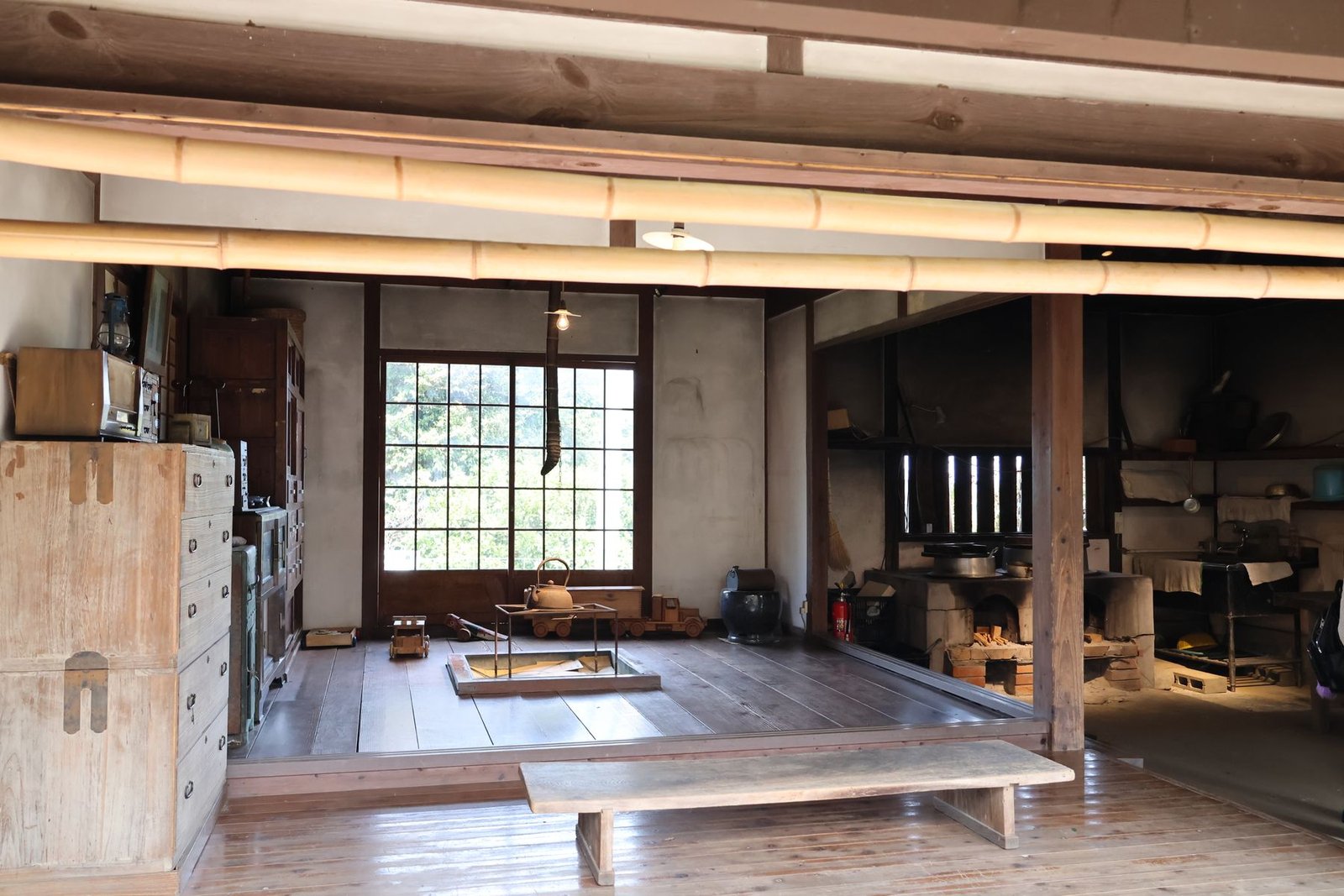
The Wada House, one of the largest and best preserved in the village, is open to the public, and I spent a good twenty minutes just standing near the irori — the sunken hearth in the main room — watching smoke curl up toward the rafters. That smoke isn’t just atmospheric; it’s functional, seeping up into the thatch over years and decades to naturally treat the straw against insects and rot, which is a big part of why these roofs can last as long as they do. The beams overhead are lashed together with rope rather than nails, flexible enough to handle the weight of snow and the shifting of the wood over centuries, and you can see the tools, looms, and everyday objects still arranged as though someone just stepped out.
What struck me most was how warm the house felt, in the emotional sense, not just because of the fire. These aren’t grand structures built to impress anyone; they’re deeply practical family homes, shaped entirely by generations of people figuring out how to survive brutal winters together, extended families and even non-relatives sometimes sharing a single roof to split the enormous cost and labor of rethatching every few decades. There’s a real community-labor tradition behind these roofs, called “yui,” where neighbors help each other rethatch — it’s not something one household could realistically do alone.
The View Everyone’s Chasing (And How to Get It Without the Crowds)
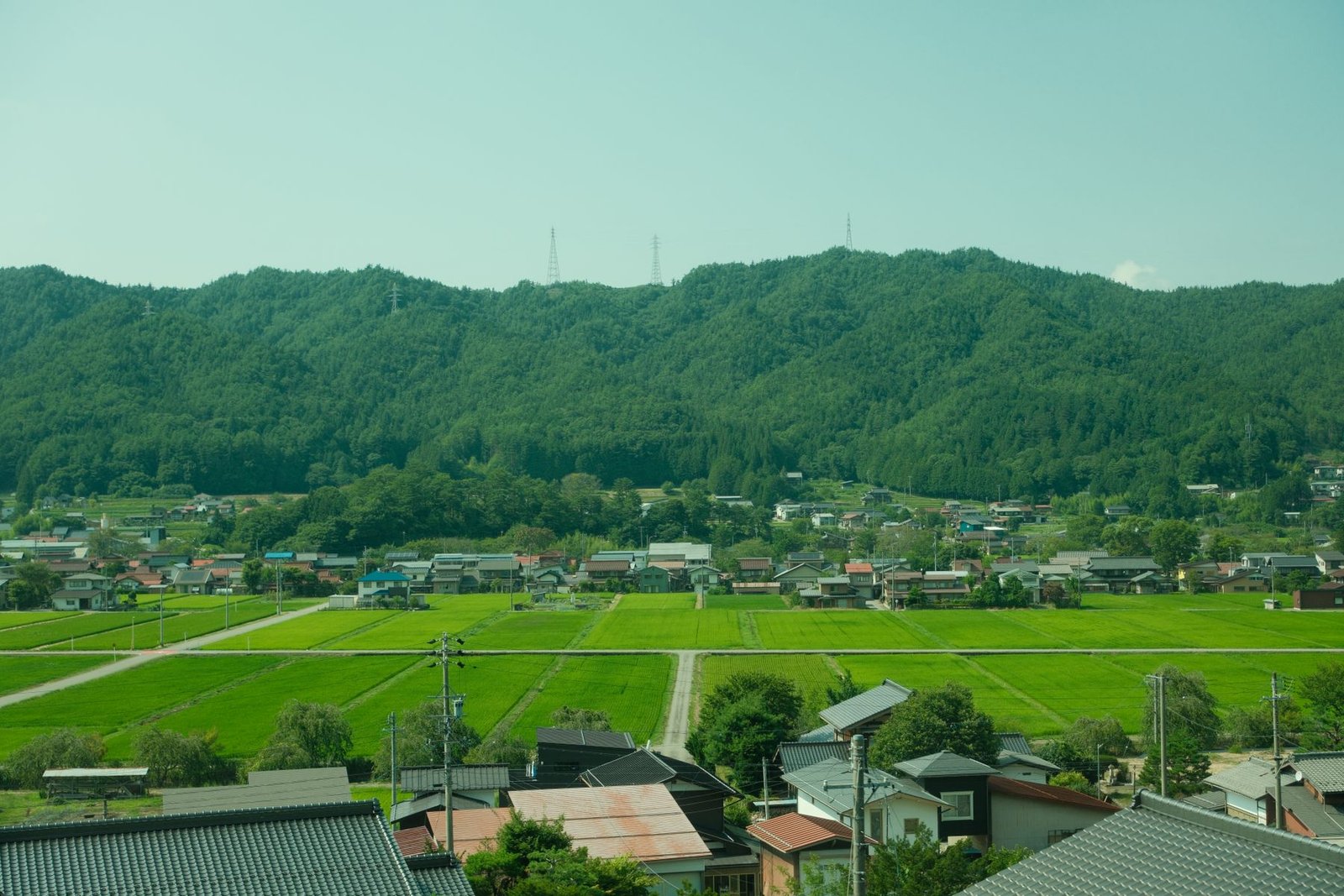
If you’ve seen a photograph of Shirakawa-go, it was almost certainly taken from the Shiroyama Viewpoint, a hillside lookout a short but genuinely uphill walk (or a quick shuttle bus ride) above the village. I went up in the late afternoon, and even in the green season, with the rice paddies glowing that impossible shade of early-summer green and the mountains layered behind the rooftops, I understood immediately why this shot is so iconic. I can only imagine what it looks like buried in snow, and yes, I’m already plotting a winter trip.
The catch is that everyone else has seen that same photo too, so the viewpoint gets genuinely crowded around sunset in peak season. I’d suggest going up either right when it opens in the morning or a little earlier in the afternoon than you think you need to, so you can actually enjoy the view instead of negotiating elbow room with fifty other tripods.
A Few Practical Notes From Someone Who Nearly Missed the Last Bus
Buses back to Takayama and Kanazawa stop running relatively early in the evening, and there is no train, so don’t do what I almost did and lose track of time wandering the rice paddies at golden hour. If you want to actually see the village lit up at night — there are limited, pre-booked light-up events in winter that are famous for a reason — you’ll need to stay over, and a handful of the gassho-zukuri houses in the village operate as minshuku (family-run guesthouses), which sell out well in advance for good reason. I didn’t manage to book one this trip, which is honestly the main thing pulling me back.
Food-wise, this is Hida country, so keep an eye out for Hida beef, and the village has several small shops selling sansai (mountain vegetable) dishes and soba that make for a good lunch between farmhouse visits. Bring cash — plenty of the smaller shops and guesthouses in Ogimachi aren’t set up for cards.
Shirakawa-go isn’t a place you stumble into on a whim; it takes a bit of planning to get there and back. But standing in that valley, looking at houses that have been sheltering families since before Japan had electricity, still doing exactly the job they were built for — that’s the kind of thing that’s stuck with me since coming home, snow or no snow.
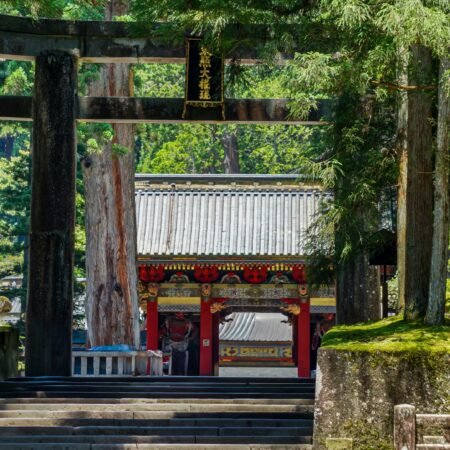
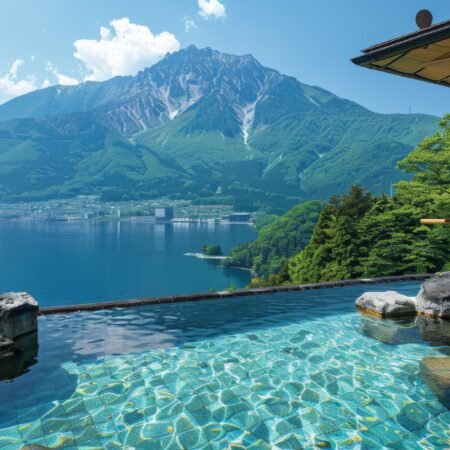
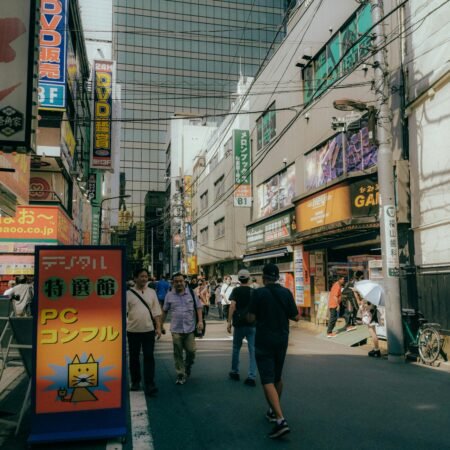
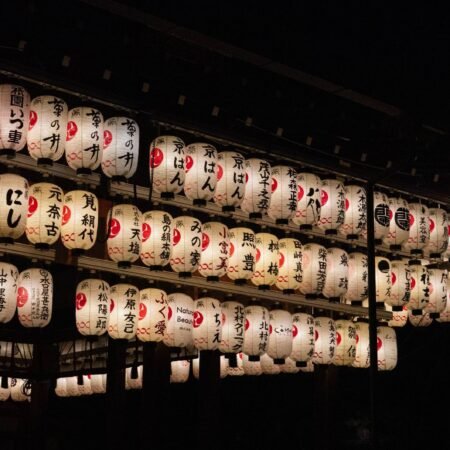
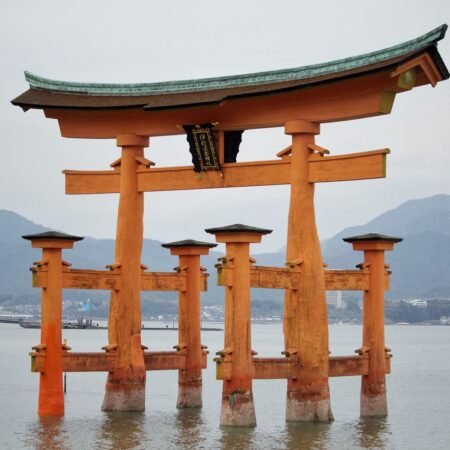
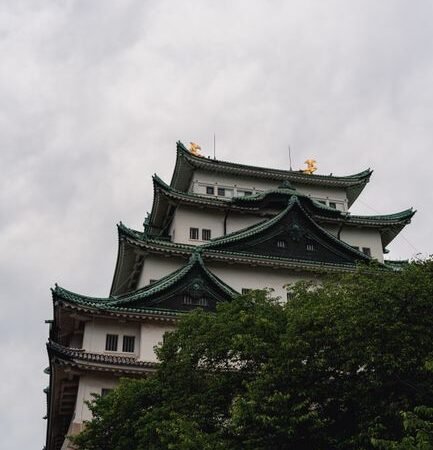
A quick note on photos: some of the images here are stock photos I’ve used to set the mood — they may not be the exact spot or moment I’m describing, just close in spirit.

コメント