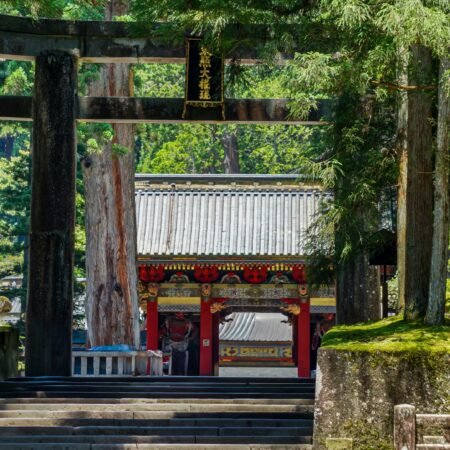






I almost skipped Kanazawa entirely. When I was mapping out a solo trip along the Sea of Japan coast a few months ago, everyone kept telling me to just do Kyoto again, or push on to Kanazawa’s neighbor Takayama instead. But a Japanese coworker mentioned, almost as an afterthought, that Kanazawa had “a geisha district that’s quieter than Gion, and honestly prettier.” That was all I needed to hear. Two trains and a bus later, I was standing at the edge of Higashi Chaya, Kanazawa’s best-preserved teahouse district, and I understood immediately why she’d insisted.
If you haven’t heard of Higashi Chaya before, you’re not alone — I hadn’t either until that conversation. It’s easy to let Kyoto’s geisha neighborhoods eat up all the attention when you’re planning a Japan trip. But after spending an afternoon wandering these streets, I think Higashi Chaya deserves just as much of your itinerary, if not more.
What Exactly Is a Chaya?
Before I went, I’ll admit I was fuzzy on the details. A chaya (茶屋), literally “tea house,” was historically a venue where geisha — called geiko in the Kanazawa dialect, similar to Kyoto’s geiko tradition — would entertain guests with music, dance, and conversation over tea and food. Higashi Chaya, meaning “Eastern Chaya District,” was established back in 1820 when the Kaga domain’s local government designated specific areas of the city for this kind of entertainment, consolidating teahouses that had been scattered around Kanazawa into one neighborhood.
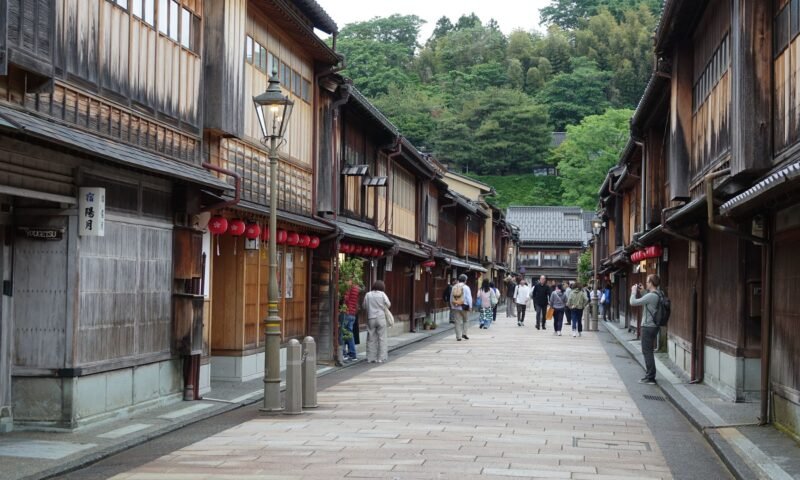
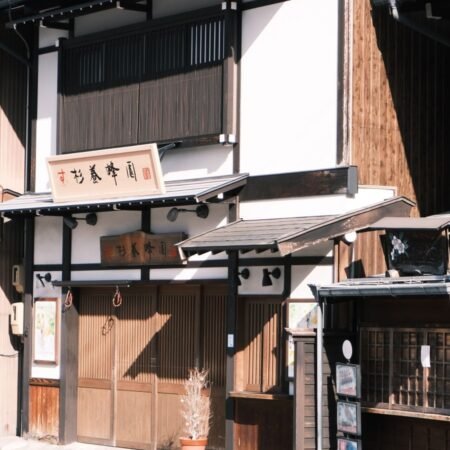
What makes Higashi Chaya special today is how much of the original architecture survived. Unlike a lot of historic districts in Japan that were rebuilt after fires or the war, roughly thirty of the original wooden teahouses are still standing along the same two main streets, and the whole district was designated as a National Important Preservation District for Groups of Traditional Buildings in 2001. A handful of the chaya are still active as working teahouses today, though most now operate as shops, cafes, or small museums you can actually walk into.
Wandering the Lattice-Front Streets
The first thing that struck me walking in was the light. The teahouses all have this distinctive reddish lattice-work covering their ground-floor windows, called kimusuko, and in the late afternoon sun the whole street practically glows amber. I ended up just standing in the middle of the road for a solid five minutes taking photos before a delivery bike politely rang its bell to get me to move.
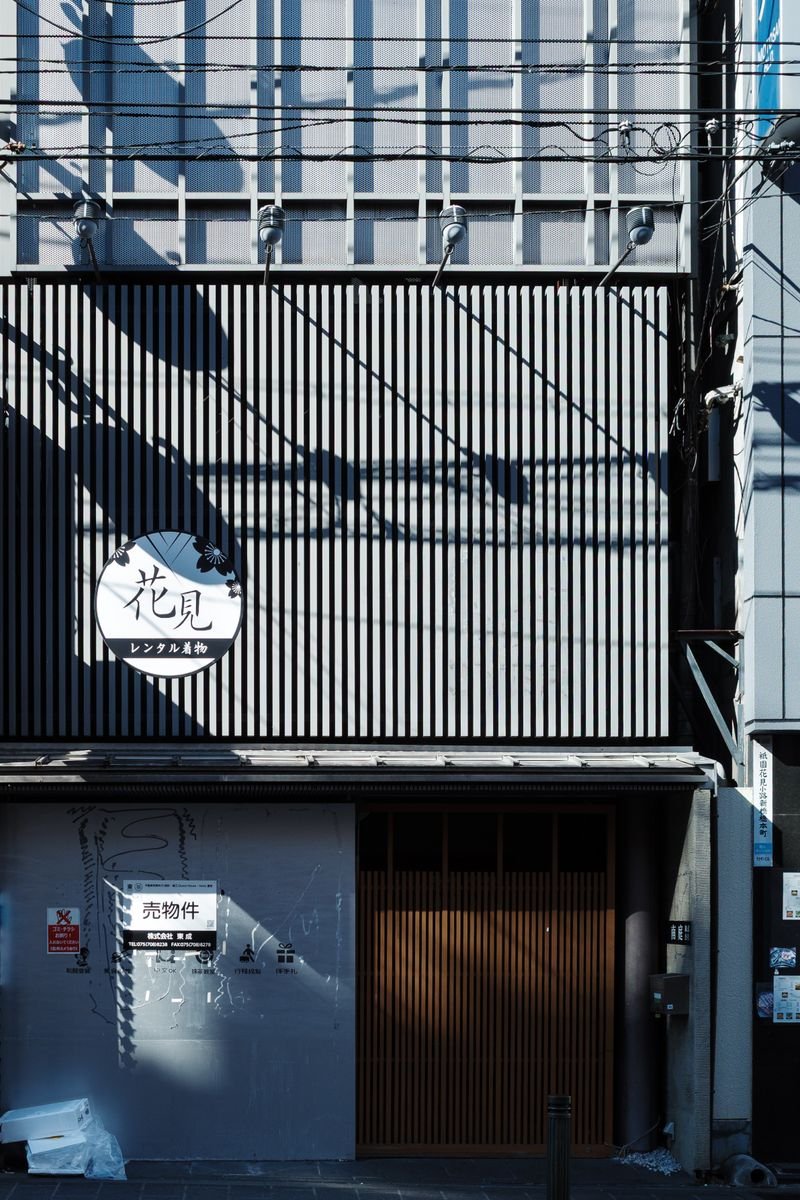
The buildings themselves are narrow and deep, two stories, with the ground floor traditionally used for greeting guests and the upper floor reserved for the actual entertaining. A few of them let you peek inside for a small fee, and I paid to go into one called Shima, which has been preserved almost exactly as it was in the Edo period, right down to the tatami rooms and the little sunken stage where musicians would have performed. Standing in that upstairs room, it was easy to imagine what an evening here might have sounded like a hundred and fifty years ago — shamisen music drifting down the street, lanterns lit outside every door.
Gold Leaf, Tea, and a Quiet Cup
Kanazawa produces something like 99% of Japan’s gold leaf, and Higashi Chaya is where that craft is most visible to visitors. There’s a shop called Hakuza right in the district with an entire tea room upholstered in gold leaf — walls, ceiling, all of it. It sounds like it should be tacky, but in person it’s oddly calming, like sitting inside a very soft, very expensive lantern. I treated myself to a cup of matcha with gold flakes dusted on top at a small café nearby, which felt a little indulgent, but when in Kanazawa.
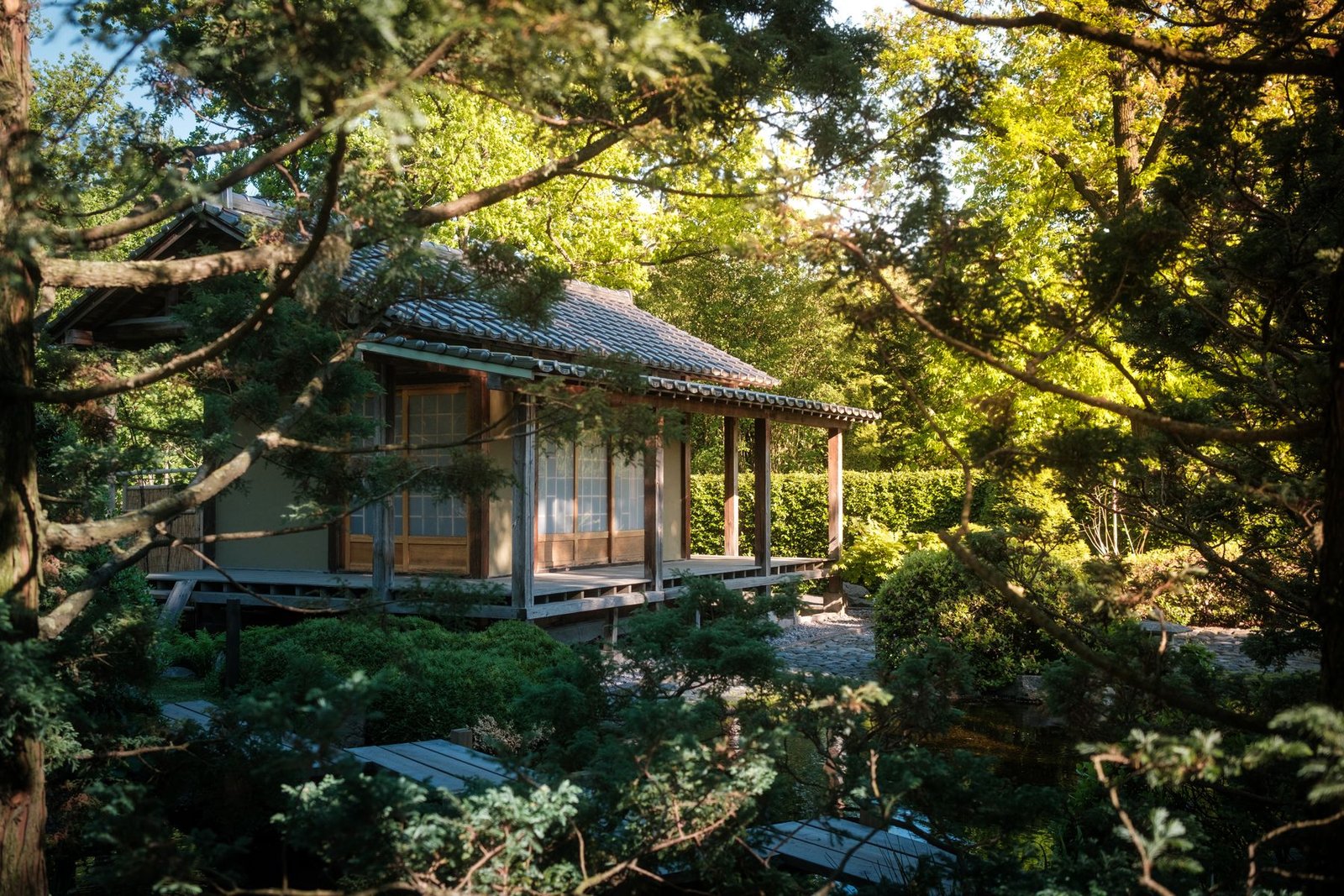
What I appreciated most, though, was how unhurried the whole experience felt. Unlike parts of Kyoto’s Gion where the crowds and the occasional overeager tourist chasing after a real geiko can make things feel a bit frantic, Higashi Chaya was calm even on a Saturday afternoon. I sat with my tea for almost forty minutes, just watching people wander by, and nobody rushed me out.
A Few Tips If You’re Planning a Visit
Higashi Chaya is about a fifteen-minute bus ride or a pleasant twenty-five-minute walk from Kanazawa Station, and it pairs really well with a visit to Kenrokuen Garden or the Omicho fish market earlier in the day, since both are on the same side of the city. Go in the late afternoon if you can — that’s when the light does its best work on the lattice fronts, and the day-trip crowds from Kyoto and Osaka have usually thinned out. Most of the museum-houses, including Shima, charge a small entry fee of around 500 to 700 yen, which is well worth it if you want to see the interiors and not just the street facades. And if you want an actual geiko performance rather than just the architecture, a few ochaya in the district do take reservations for evening shows, though you’ll generally want to book through your hotel or a local tour operator rather than walking in.
Worth the Detour
I went to Kanazawa expecting Kenrokuen Garden to be the highlight of my trip, and it’s genuinely lovely, but Higashi Chaya is the part I keep thinking about months later. There’s something about wandering a street that’s looked essentially the same for two centuries, with actual working shops instead of a recreated tourist set piece, that made the history feel real rather than staged. If your Japan itinerary has Kyoto on it but not Kanazawa, I’d gently suggest rearranging things. Higashi Chaya might just end up being the quiet afternoon you remember best.
コメント