






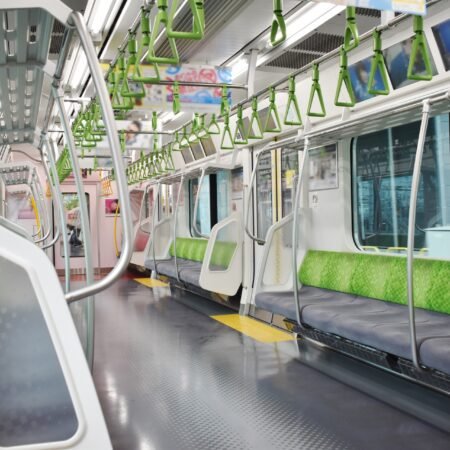

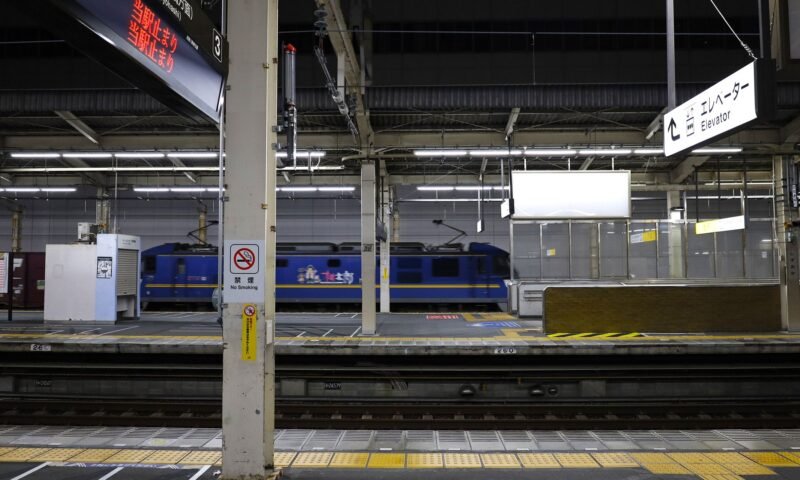
I heard about Teke-Teke the way most people in Japan seem to hear about her: secondhand, on a late train, from someone who swore a friend of a friend had seen her. It was a drizzly night on the Chuo Line, the platform half-empty, and the woman next to me was telling her companion, in that flat, half-amused tone people use for stories they don’t quite believe but don’t quite dismiss either, about a ghost with no legs who drags herself along the tracks making a sound like fingernails on gravel. Teke, teke, teke. I wrote the name down in my phone before I’d even reached my stop, which is usually how these seven years of weekend ghost-hunting start.
Of all the stories I’ve chased around this country, Teke-Teke is the one with the least to actually visit. There’s no shrine, no cursed bridge, no abandoned building with a number on a plaque. According to the legend, she could be anywhere there’s a railway line, a dark street, or – in some tellings – just you, alone, somewhere quiet. That placelessness is, I think, exactly why she’s survived.
A Story With No Fixed Address
Ask ten people where Teke-Teke comes from and you’ll likely get ten different answers, and that’s not a flaw in my research – it’s baked into the legend itself. The version I’ve seen told most often goes that a schoolgirl, or sometimes a young woman, fell onto railway tracks in northern Japan and was cut in half by a passing train. In some versions she was pushed, or attacked. In others it’s simpler and crueler: she slipped, and no one came in time. The story goes that she didn’t die immediately, and that what happened to her in those last moments, before help arrived, is part of what twisted her into what she is now.
A separate telling places her later, in the Shinkansen era, as a girl startled by a prank involving a cicada who stumbled onto the tracks. I can’t tell you which account, if either, is “the real one,” and I’d be doing the story a disservice if I pretended otherwise. Unlike Kuchisake-onna, the slit-mouthed woman whose 1978 panic I wrote about last year, there’s no yellowed newspaper clipping I can point to for Teke-Teke, no police report, no verified sighting that made the evening news. She belongs to a quieter category of Japanese ghost story: the kind passed along in whispers, schoolyards, and now, inevitably, online forums, rather than one that ever broke into the official record.
What does stay consistent, wherever I’ve encountered the story, is the method of movement. Having lost her legs, she is said to drag herself along using her arms or elbows, and that sound – teke, teke – is supposedly how you know she’s close, and closing the distance faster than her broken body has any right to.
The Question You’re Supposed to Answer
Like a surprising number of Japanese school ghost stories, Teke-Teke comes with a kind of safety instruction built in, assuming you believe the premise enough to use it. If she catches up to you, she’s said to ask a question, and your survival depends on answering correctly. The most common version I’ve come across has her asking which highway or train line she should take, with “the Meishin Expressway” offered as the magic word that sends her away satisfied rather than furious.
This detail connects Teke-Teke to an older, related figure named Kashima Reiko, a ghost said to haunt school bathrooms who asks where her own missing legs have gone. Some of the writers who’ve studied these stories suspect the two legends borrowed from each other over the decades, which would explain why their “correct answers” and methods of interrogation overlap so closely. I find this kind of cross-pollination one of the more fascinating parts of researching Japanese urban legends: they rarely stay still. They migrate from one ghost to another, one decade to the next, picking up new details – a cicada here, a Shinkansen there – the way a rumour does when it’s retold enough times.
A Ghost That Lives in Fiction as Much as in Fear
Teke-Teke made the leap to film in 2009 with a Japanese horror release simply titled Teketeke, part of a small but steady genre of movies drawing on exactly this kind of schoolyard legend. She sits in good company there, alongside Kuchisake-onna and Hanako-san, as one of a loose family of Japanese ghosts defined less by a specific haunted location than by a specific, repeatable encounter – the kind of story a group of twelve-year-olds can tell each other at a sleepover and have it feel dangerous precisely because it could, in theory, happen to any of them, anywhere.
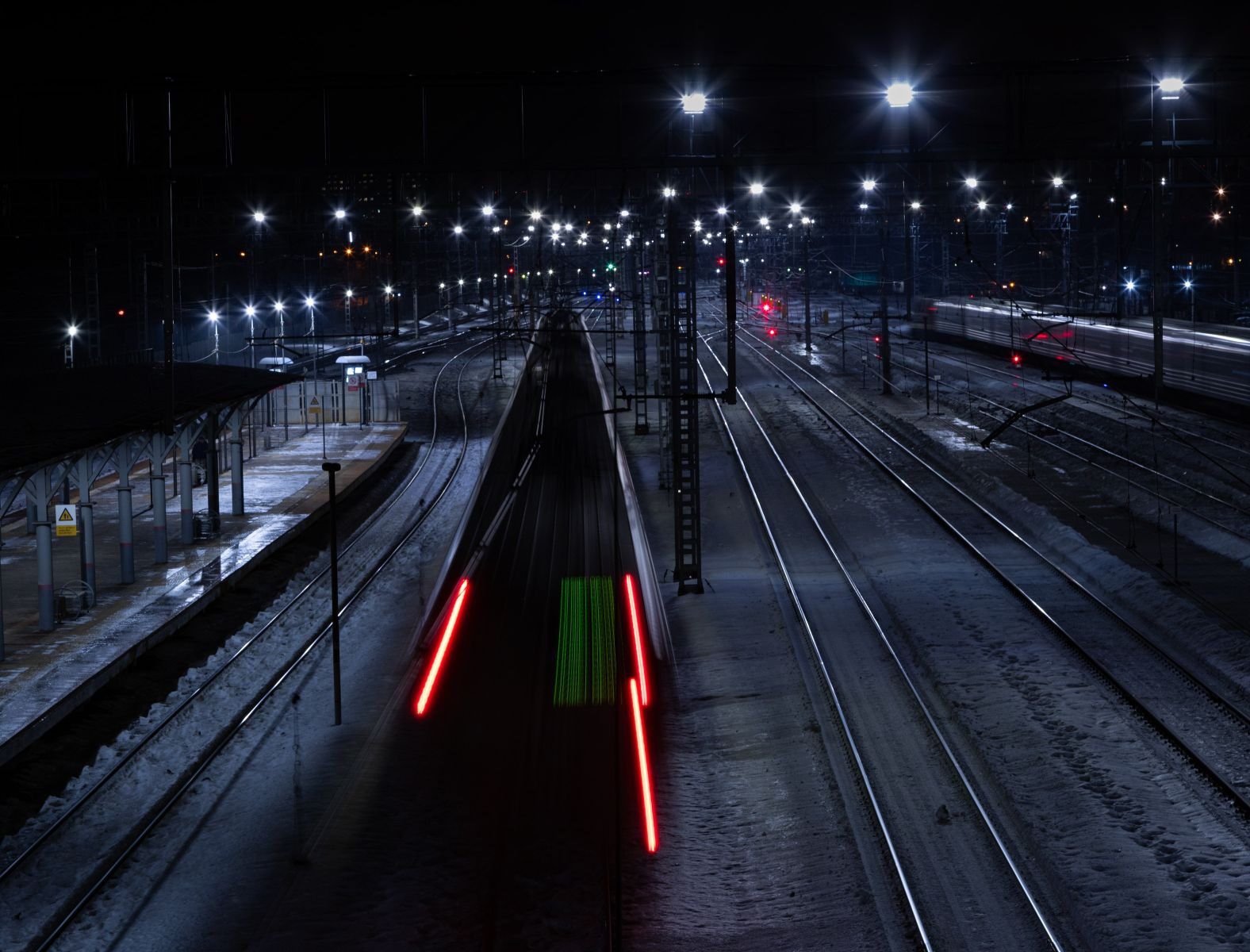
I don’t think it’s a coincidence that so many of these “anywhere” ghosts involve trains and railway lines. Japan’s rail network is vast, intimate, and – especially late at night on a quiet local line – genuinely eerie in a way that needs no ghost story to achieve. Empty platforms, flickering fluorescent light, the particular silence after the last train of the night has gone: it’s fertile ground for a story to take root in, and it doesn’t need a single haunted spot to do it. It just needs a track, a late hour, and someone willing to believe, just a little, that they heard something behind them.
A Final Word on Visiting (or Not)
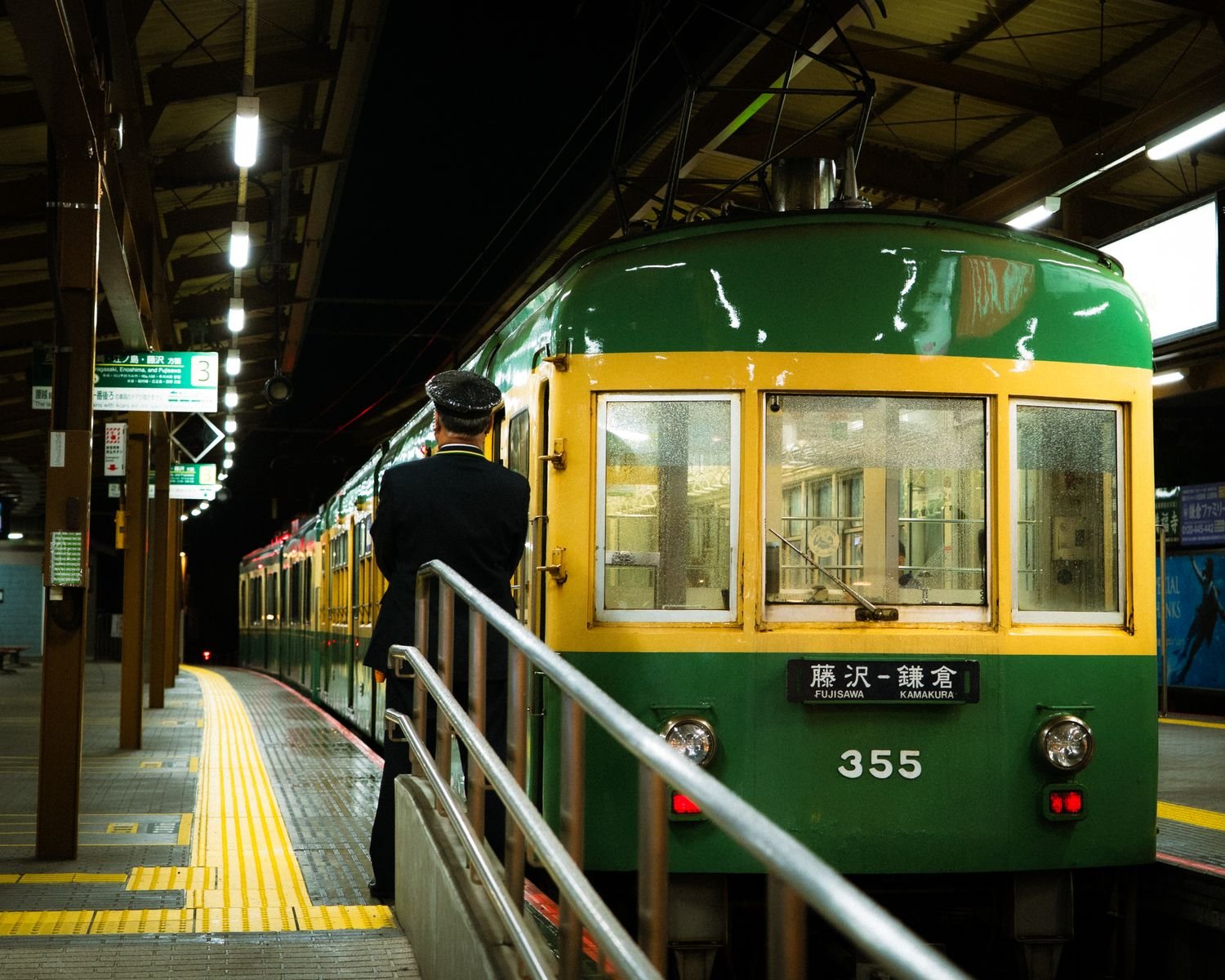
Because Teke-Teke has no single shrine, bridge, or ruin attached to her, there’s no address I can responsibly send you to, and I wouldn’t want to even if there were. What I’d ask instead, as I do at the end of every one of these pieces, is a bit of ordinary common sense: platforms and railway lines in Japan are working infrastructure, not a stage for ghost-hunting, and late-night stations deserve the same quiet respect you’d give any public space used by tired commuters trying to get home. If a story like this gives you a shiver on your own last train home, let that be the whole experience. There’s nothing here to go looking for.
Note: images accompanying this article are illustrative stock photos and do not necessarily show the specific site discussed.
コメント