





I almost talked myself out of going. It was early December, I had a cold coming on, and the idea of standing outside in Saitama after dark for hours sounded, frankly, miserable. But a Japanese coworker who grew up near Chichibu looked genuinely offended when I said I might skip it. “You live two hours away and you’ve never been?” she said. “Go. Wear every layer you own.” So I did, and by the time the first float came groaning up that hill with fireworks exploding directly overhead, I understood exactly why she’d been so insistent.
The Chichibu Night Festival (Chichibu Yomatsuri) is the big annual event at Chichibu Shrine, held every December 2nd and 3rd, and it’s quietly one of the most spectacular things I’ve seen in five years of chasing festivals around this country. It doesn’t get the international crowds that Kyoto’s Gion Matsuri or Takayama’s autumn festival pull in, which honestly might be the best thing about it. You can still find a decent spot to stand if you show up with a bit of patience.
Six Floats, Three Hundred Years, and a Love Story
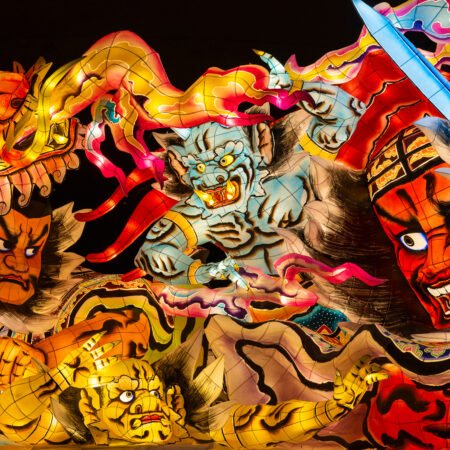
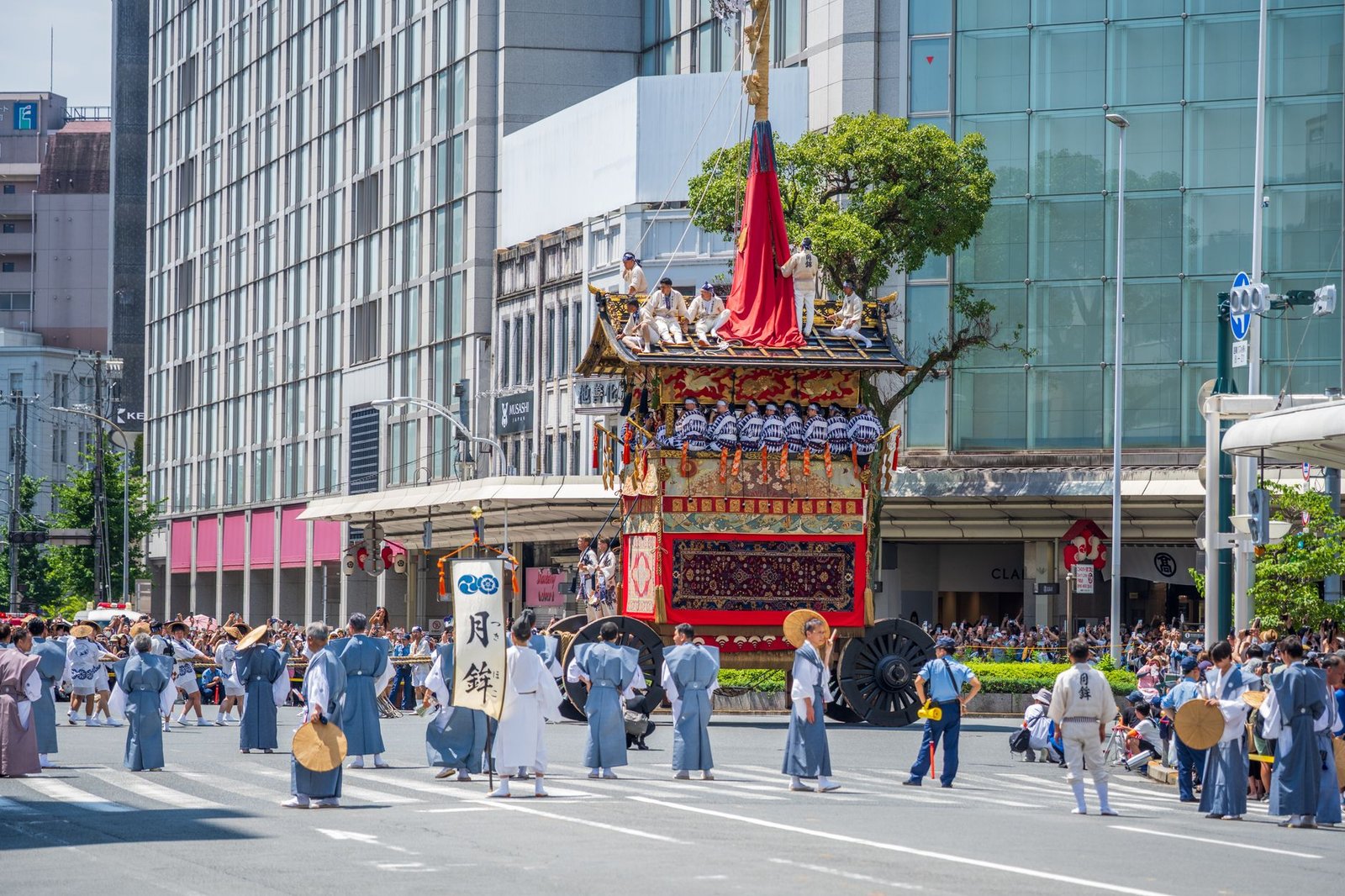
The festival is built around six enormous floats — four yatai and two kasaboko — that belong to different neighborhoods around the shrine and have been rebuilt and restored for generations. They’re heavy, ornately carved, lacquered things, and on the main night they get hauled through town by teams of men in matching happi coats, hauling on thick ropes while someone keeps rhythm on drums and flutes riding along inside. People here will tell you the festival is over three hundred years old, and standing next to one of these floats up close, with all its gilded carving and age-worn wood, that felt entirely believable.
What really got me, though, was the backstory a few locals told me while we waited for the procession. The legend goes that the goddess enshrined at Chichibu Shrine and the god of nearby Mt. Buko are secretly in love, but can only meet once a year — and the Night Festival is their reunion. The floats are essentially her carriage, built and decorated to impress him. I don’t know how literally anyone actually believes it, but it gave the whole night a different flavor. This wasn’t just a parade; it was an entire town helping along a once-a-year love story, with six tons of lacquered wood as the getaway car.
Chichibu Yomatsuri is counted as one of Japan’s three great hikiyama, or float-pulling, festivals, alongside Kyoto’s Gion Matsuri and the Takayama Matsuri up in Hida — good company to be in. It’s also part of the “Yama, Hoko, Yatai Gyoji” group of float festivals that UNESCO recognized as Intangible Cultural Heritage back in 2016, the same designation that covers festivals like Karatsu Kunchi and Hakata Gion Yamakasa that I’ve written about before. Seeing how different each one looks and feels, even under that same umbrella, is part of why I can’t stop going to these things.
The Hill, the Ropes, and Way Too Many Fireworks
The real climax of the night happens at a slope near Chichibu Park called Dango-zaka. It’s not a long hill, but it’s steep — something like a 25-degree incline — and getting one of those multi-ton floats up it is, by design, a struggle. Dozens of men haul on ropes, more push from behind, and the crowd around me was shouting encouragement like we were all personally responsible for getting it to the top. Right as the float strains up the slope, fireworks start going off directly behind it, so you’ve got drums, shouting, straining ropes, and explosions in the sky all happening within the same ten seconds. I actually gasped out loud, which is not a thing I do easily anymore after five years here.
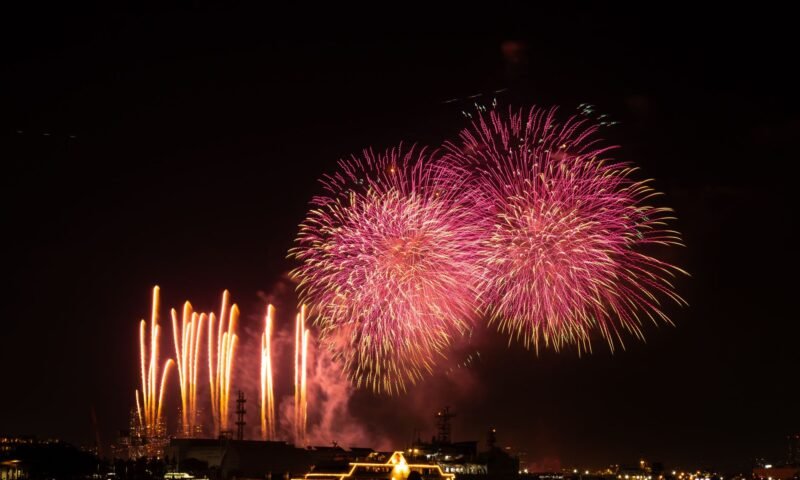
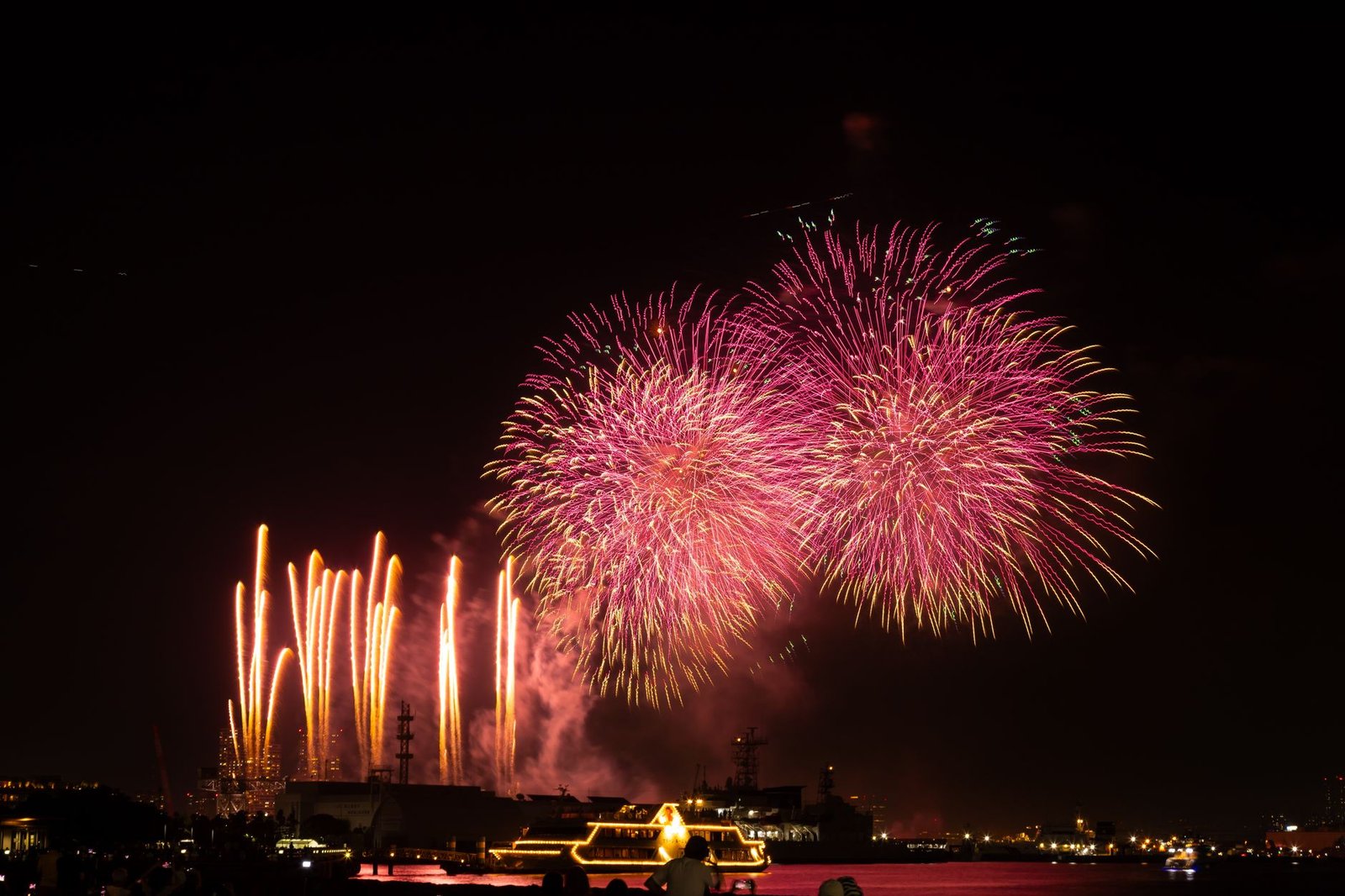
Over the two nights of the festival, something like seven thousand fireworks go up, timed around the floats’ movements rather than fired off as a separate show. Once a float makes it to the top of Dango-zaka, the crew spins it in place — a maneuver that takes real coordination given how heavy and ungainly the thing is — and the crowd loses its mind every single time.
Staying Warm and Finding the Best Spot
I’ll be honest: nobody warns you enough about the cold. Early December in Chichibu, which sits up in the hills of Saitama, is genuinely cold after sundown, and you’ll be standing outside for most of the night. Hand warmers, a thick coat, and something hot to drink are not optional. The streets around Chichibu Shrine fill up with food stalls selling amazake, grilled skewers, and all the usual festival comfort food, and honestly half the fun was just wandering between them with a warm cup in my hands, waiting for the next float to pass.
If you want the full spectacle — the hill climb with fireworks — plan to be near Chichibu Park by early evening on December 3rd, because that’s when things get tightest. If you’d rather watch from a calmer spot, the area right around Chichibu Shrine earlier in the evening gives you a good look at the floats and the Yatai Kabuki and dance performances staged on top of them, without the crush of the Dango-zaka crowd.
Getting there from Tokyo is easier than I expected. The Seibu Railway’s limited express “Laview” and “Red Arrow” trains run direct from Ikebukuro to Seibu-Chichibu Station in around eighty minutes, with reserved seating, which is worth booking ahead during festival season because trains fill up fast. The Chichibu Railway line also connects into the area if you’re coming from a different direction. Either way, roads around the shrine close to traffic for the festival, so you’re on foot once you arrive, which only adds to the feeling of the whole town being swallowed up by the event for one night.
If you only have time for one winter festival in the greater Tokyo area, I’d genuinely put this one near the top of the list. It’s close enough for a day trip, cold enough to feel like a proper winter outing, and spectacular enough that I was still thinking about that float straining up Dango-zaka days later.
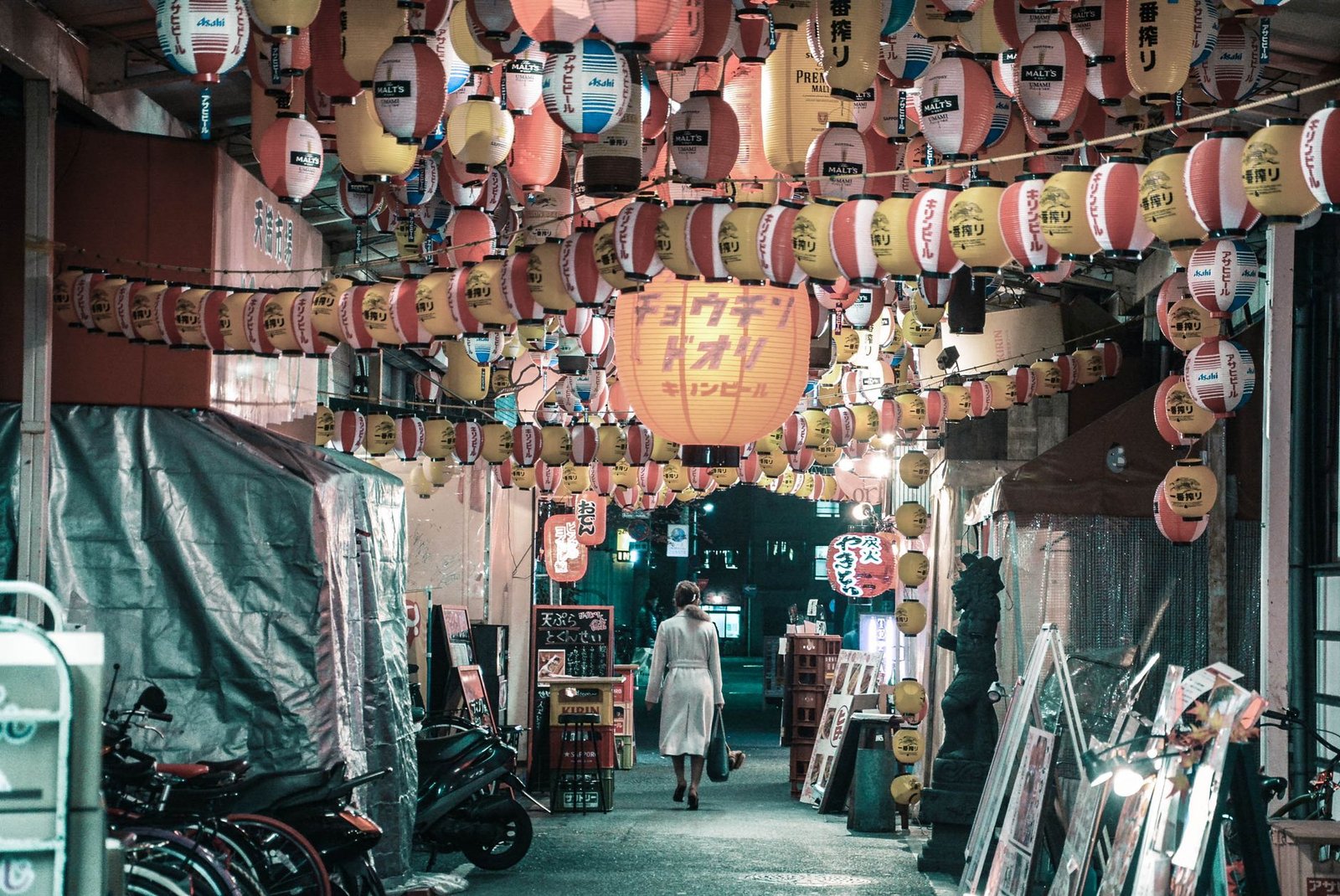
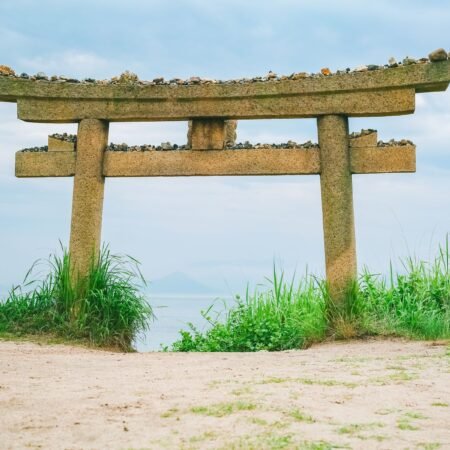
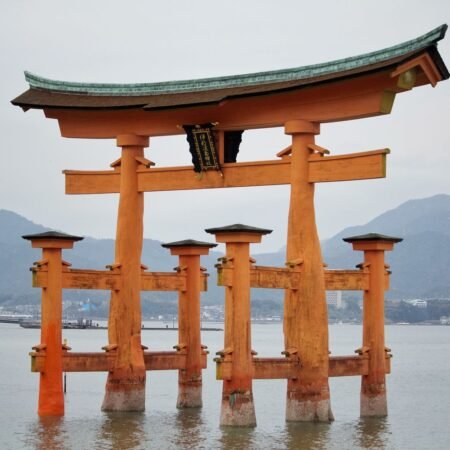
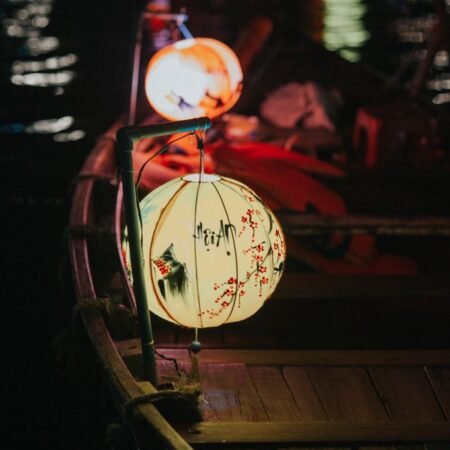
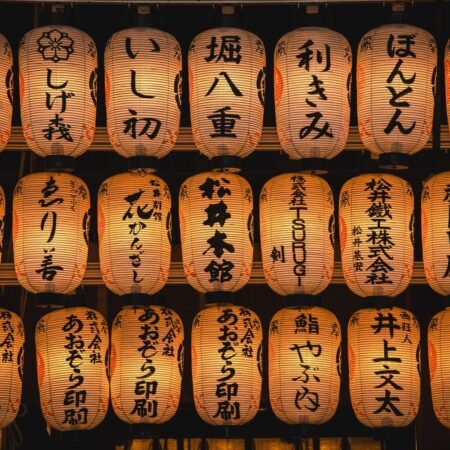
A quick note on photos: some of the images here are stock photos I’ve used to set the mood — they may not be the exact spot or moment I’m describing, just close in spirit.


コメント