





The first time a friend told me she was spending her long weekend on “the pumpkin island,” I genuinely thought I’d misheard her. Five years into living in Japan, I’d gotten used to nodding along to place names I didn’t recognize, but this one stuck with me for weeks. It turned out she meant Naoshima, a small island in the Seto Inland Sea that I’d vaguely heard of as “the art island,” and by the time I actually made the trip myself — a slow train to Okayama, a local line to Uno Port, and a fifteen-minute ferry ride across water so calm it looked painted on — I understood exactly why nobody who visits Naoshima can stop talking about it.
I went in expecting a pleasant afternoon of looking at sculptures. I left three days later having completely rearranged my idea of what a “museum trip” could even be.
Stepping Off the Ferry Into Somewhere Else Entirely
Naoshima sits in Kagawa Prefecture, technically still Japan but somehow operating on its own quiet frequency. The ferry from Uno docks at Miyanoura Port, where the first thing you see isn’t a tourist information booth — it’s the Naoshima Pavilion, a cluster of white mesh polyhedrons that look like sea foam frozen mid-splash. I stood there with my backpack, slightly disoriented, wondering if I’d wandered onto a film set instead of a fishing island.
What struck me most on that first walk from the port was how unhurried everything felt. Cats dozed in doorways. An elderly man tended a tiny vegetable patch beside a rusted shutter. And then, without warning, you’d round a corner and find a building that Tadao Ando himself might have designed tucked in among the ordinary houses. That contrast — sleepy fishing village and world-class contemporary art, occupying the exact same square kilometer — is the whole magic of the place, and no amount of reading about it beforehand prepares you for how strange and wonderful it feels in person.
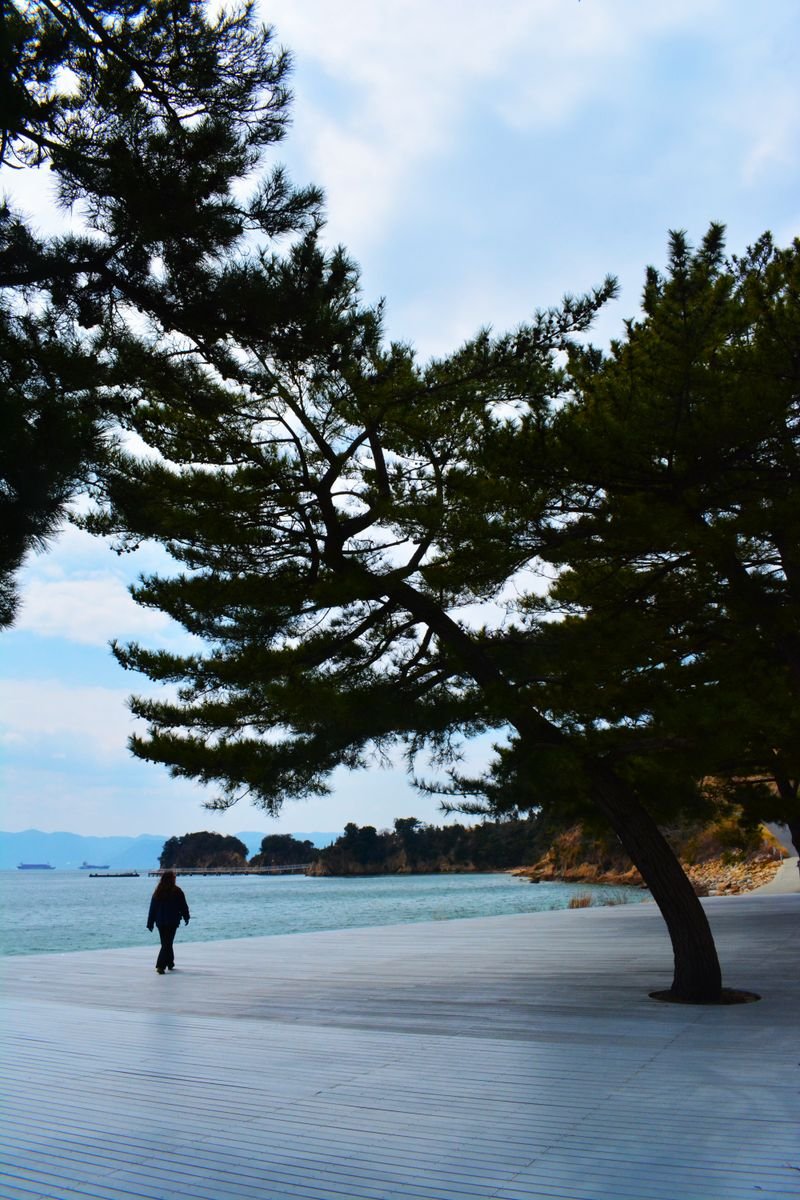
I rented a bicycle from a little shop near the port — genuinely the best way to get around, since the island is compact but the hills between sites are just steep enough to make walking everywhere exhausting by day two. Twenty minutes of pedaling along the coastal road, salt air in my face, and I understood why so many visitors extend their “quick day trip” into an overnight stay, then a second night, then start quietly checking if they could work remotely from here indefinitely.
Yayoi Kusama’s Pumpkin and the Art That Started It All
You cannot talk about Naoshima without talking about the pumpkin. Yayoi Kusama’s giant yellow sculpture, covered in her signature black polka dots, sits at the end of a small pier jutting into the Seto Inland Sea, and it has become so iconic that it’s practically the island’s official mascot. I’ll admit I felt a little silly joining the line of people waiting to take a photo with it — until it was my turn, and I stood there grinning like an idiot at a giant polka-dotted vegetable, completely charmed.
The pumpkin is really just the most photogenic entry point into what Benesse Art Site Naoshima has been building since the early 1990s: an entire island reimagined as a place where art, architecture, and nature are meant to be experienced together rather than separately. The Chichu Art Museum, built largely underground so it doesn’t disrupt the coastal landscape, houses a room of Claude Monet’s water lily paintings lit only by natural daylight that shifts throughout the day. I visited in the late afternoon and the light pouring through the skylights made the paintings look almost alive. No photography is allowed inside, which annoyed me for about thirty seconds before I realized that was exactly the point — you’re supposed to just stand there and look, phone in your pocket, for once.
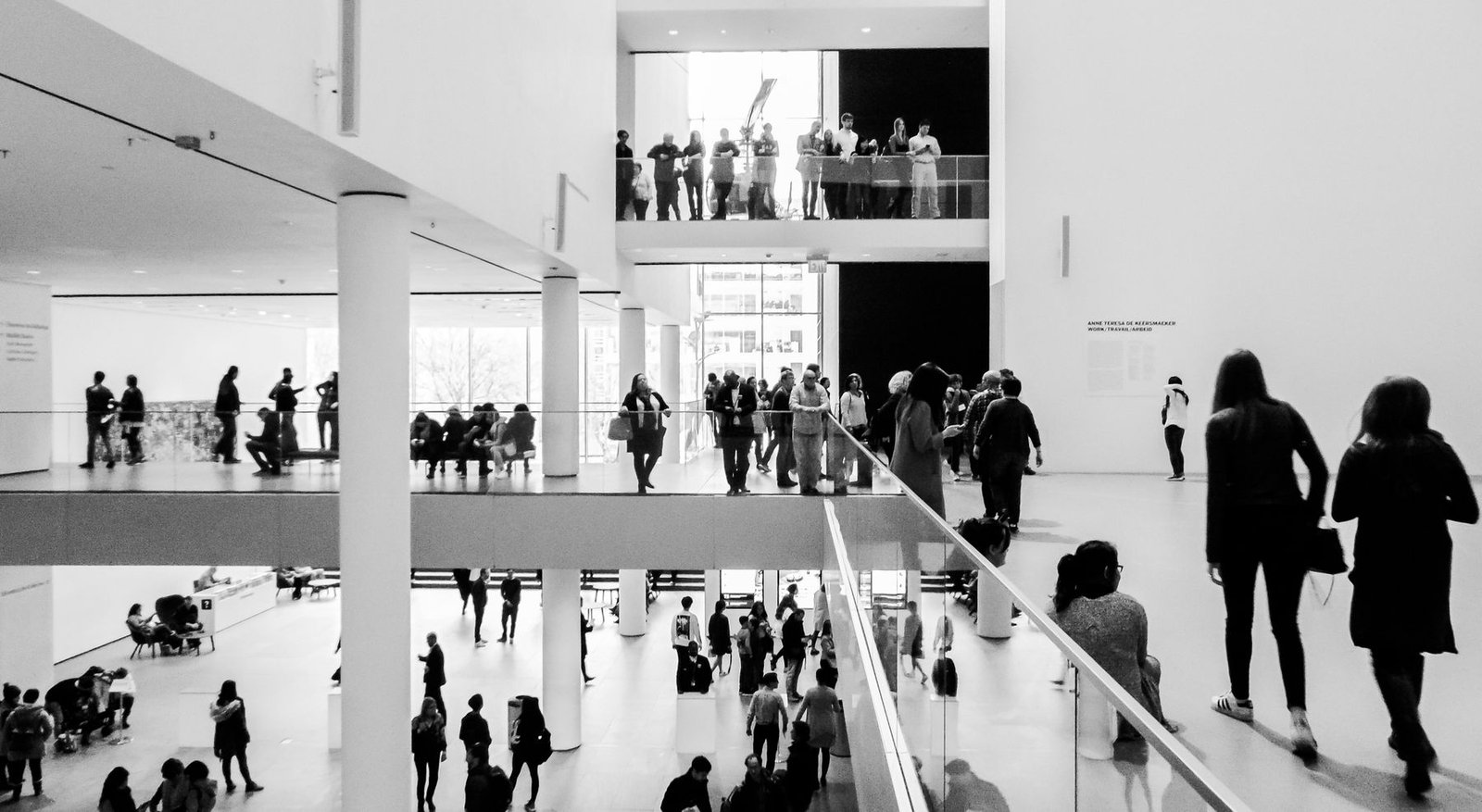
Nearby, the Benesse House Museum doubles as an actual hotel, meaning if your budget allows it, you can wake up and wander down to see James Turrell installations before breakfast. I didn’t stay there myself (my bank account had opinions), but I toured the museum during the day and spent a long time in a room that plays with light and perception in a way I still can’t fully explain — I just remember standing very still, slightly confused, and completely delighted.
Honmura and the Art House Project
My favorite part of Naoshima, though, wasn’t a museum at all. It was the Art House Project in Honmura, a quiet residential neighborhood on the island’s east side where several old, sometimes abandoned traditional houses have been transformed into individual art installations. You buy a ticket, then wander the narrow lanes between actual homes — someone’s laundry still drying on a line two doors down — hunting for each site marked only by a small sign.
At Minamidera, designed by Tadao Ando in collaboration with artist James Turrell, you’re led into a completely pitch-black room and told to sit and wait. I remember genuinely doubting anything was going to happen, fighting the urge to check my phone for the time, and then slowly — so slowly I couldn’t pinpoint the exact moment it happened — my eyes adjusted enough to make out a faint rectangle of light in the darkness. A few people around me actually gasped. It’s hard to describe how moving that felt, sitting in the dark with strangers, all of us waiting for our eyes to catch up with reality.
Kadoya, another house in the project, has a pool of water filled with digital LED counters that flash at different, almost hypnotic speeds — a piece called “Sea of Time” that local elderly residents apparently helped design the timing sequences for. Learning that little detail made the whole project feel less like art parachuted into a community and more like something the town had actually built together.
Practical Notes From Someone Who Nearly Missed the Last Ferry
A few things I wish someone had told me before I went. First, rent a bicycle the moment you arrive at Miyanoura Port — the island is bigger and hillier than the tourist maps make it look, and an electric-assist bike is worth the extra few hundred yen. Second, buy your museum tickets or at least check reservation requirements in advance, since Chichu Art Museum limits the number of visitors per time slot and does sell out, especially on weekends and during the Setouchi Triennale art festival years. Third, and I say this with real regret, keep close track of the ferry schedule back to Uno Port — the boats are not frequent, and I spent one stressful ten-minute sprint down a hill on a rented bicycle, backpack bouncing, convinced I was about to be stranded overnight without a hotel booked.
If you can, give Naoshima at least two full days. One day is enough to see the highlights, but it isn’t enough to slow down and actually feel the place — and slowing down, I’ve come to think, is the entire reason it exists.
コメント