









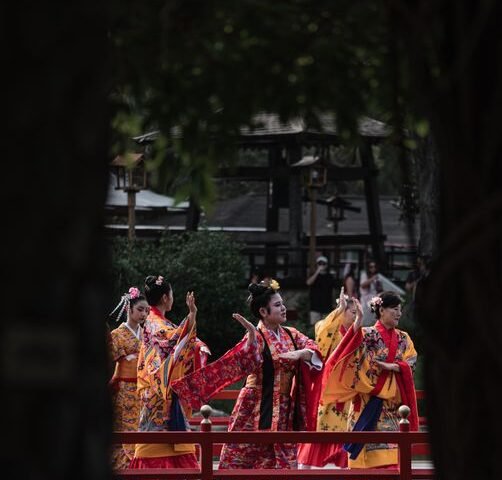
The first time a neighbor knocked on my door in July and said, “Come to the matsuri tonight, we need more dancers,” I had no idea what I was agreeing to. Two hours later I was standing in a borrowed yukata, sweating through the humid Tokyo air, trying to copy the hand movements of a woman three times my age who had clearly been doing this since she could walk. That was my introduction to Bon Odori, and five summers later, it’s still one of my favorite things about living in Japan.
What Exactly Is Bon Odori?
Bon Odori (“Bon dance”) is the dance component of Obon, the mid-summer Buddhist tradition when families welcome the spirits of their ancestors back home for a few days. The dancing itself has practical, communal roots: it was originally a way for entire neighborhoods to celebrate together and, according to local tradition, to comfort the spirits being welcomed. These days, the spiritual meaning is still there if you look for it, but for most people in the crowd, it’s simply the best free party of the summer.
You’ll find a Bon Odori happening in almost every neighborhood, shrine, temple, or local park across Japan sometime between July and September, though the exact dates shift depending on the region. Small local versions might only last one evening; bigger citywide festivals can run for several nights in a row.
The Yagura, the Drums, and the Circle
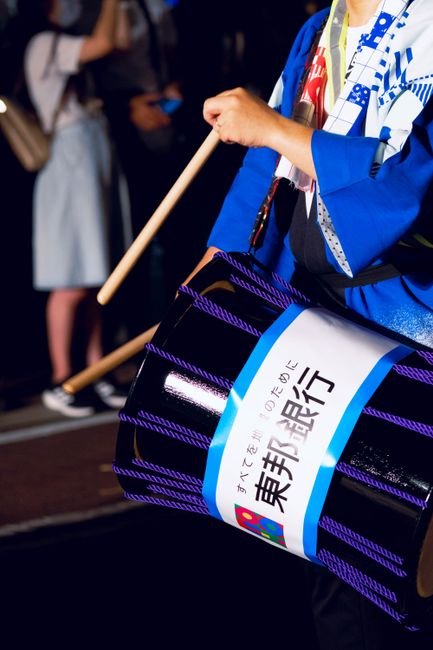
Every Bon Odori is built around a yagura — a wooden scaffold tower set up in the middle of the square. Musicians and taiko drummers perform from the top, and everyone else dances in a large circle around the base, moving counterclockwise in time with the music. The steps repeat in a loop, so once you’ve caught the pattern for one song, you can keep dancing until the music changes.
This is the part that surprises most newcomers: you don’t need a partner, a reservation, or any dance background at all. You just find a gap in the circle and start moving with everyone else. Songs vary by region — Tokyo neighborhoods often dance to “Tokyo Ondo,” while other areas have their own local tunes passed down for generations — but the basic idea of “watch the people in front of you and copy them” works everywhere.
What to Wear (and What Not to Worry About)
A yukata, the lightweight cotton kimono worn in summer, is the classic choice, and plenty of people — locals and visitors alike — show up dressed for the occasion. Rental shops near festival grounds will often dress you for a reasonable price, obi and all. That said, I’ve been to just as many festivals in a plain t-shirt and shorts, and nobody blinked. The dancing matters more than the outfit.
If you do wear a yukata, the one practical tip I wish someone had given me earlier: bring a small hand towel. Between the humidity and the dancing, you will need it.
The Food Stalls Are Half the Experience
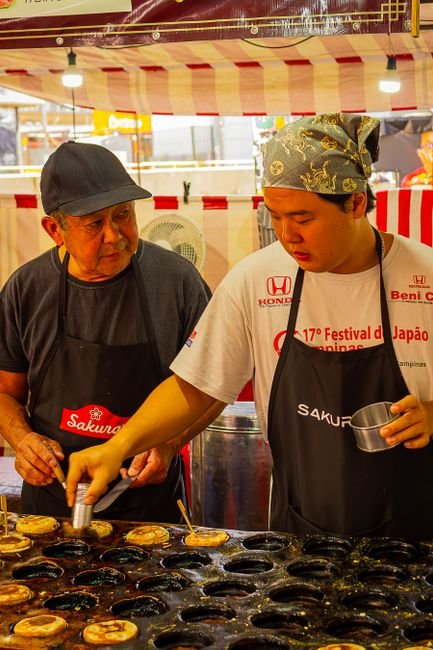
Ringing the dance circle, you’ll almost always find a row of yatai (food stalls) selling festival staples: takoyaki, yakisoba, chocolate-dipped bananas, and kakigori — shaved ice syrup-drenched enough to cool you down for about four minutes before the heat wins again. Grabbing a cup of ramune (that classic marble-stoppered soda) and watching the dancing from the sidelines is a completely legitimate way to spend the evening too, if you’re not ready to jump into the circle yet.
Finding One Near You
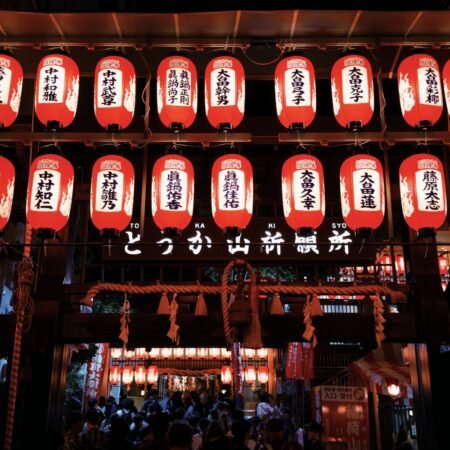
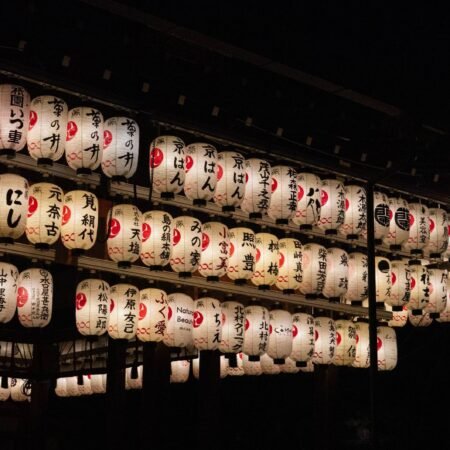
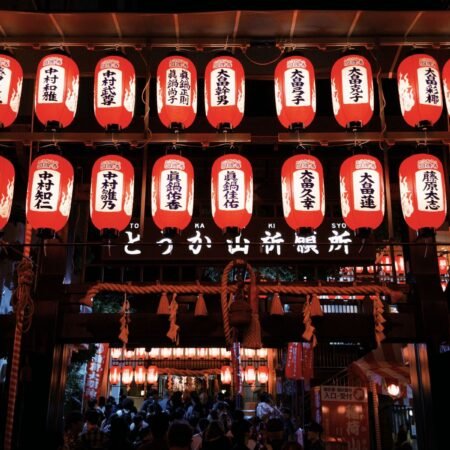
Local ward or city websites usually post summer festival schedules by early July, and neighborhood association flyers often show up on community bulletin boards near train stations. If you live near a shrine or temple, keep an eye out for lanterns going up in the weeks before — that’s usually the first sign a matsuri is coming. Smaller neighborhood events tend to be far less crowded than the famous ones, and honestly, they’re often more fun: fewer tourists, more grandmothers correcting your footwork with a smile.
Five years in, I still don’t dance every step perfectly. But that first uncertain evening turned into a summer tradition I look forward to every year — and if you’re anywhere in Japan between July and September, I’d genuinely encourage you to find your nearest yagura and just join the circle. Nobody will mind that you’re new. That’s kind of the whole point.


コメント