






Keep Quiet
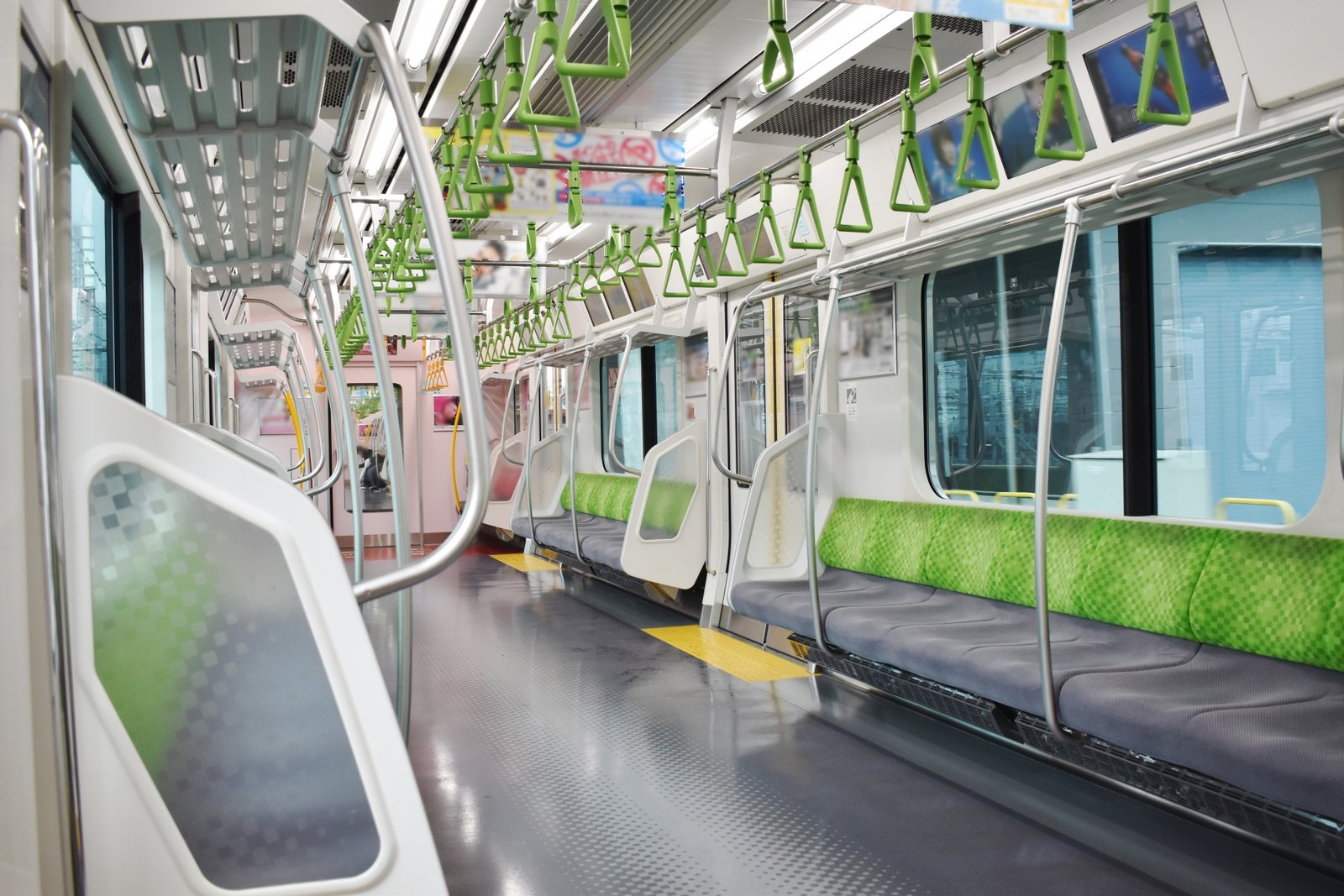
In Japan, one of the most important unspoken rules is to keep conversations quiet on trains. Mobile phone calls are not allowed; if needed, use messaging or wait until you exit. The emphasis is on preserving a calm, respectful atmosphere among passengers.
Priority Seats
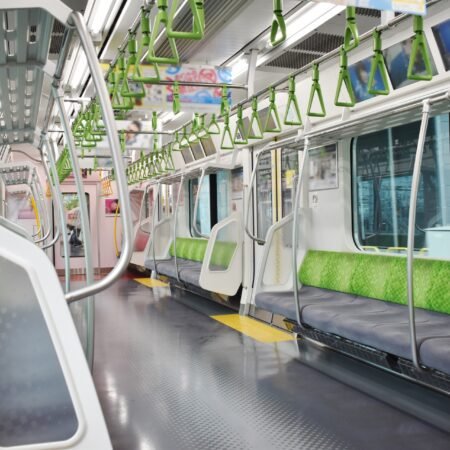
Priority seats are reserved for the elderly, pregnant people, those with disabilities, or injured persons. Always offer your seat if someone who qualifies boards. Even if no one takes it, being ready to stand is a polite stance.
Consideration at the Doors
If you’re standing near the doors, be especially courteous. Step aside or move slightly when the train stops so that exiting passengers can get off smoothly. Don’t block the doorway—this small act shows consideration for others.
How to Carry Your Bags
Keep backpacks in front of you or place them on the overhead rack to avoid blocking space. For larger bags, use designated areas or store them away from aisles. Be cautious: items forgotten on luggage racks are common, especially when checking your phone at your stop.
No Eating
Eating and drinking are generally frowned upon on regular trains. Exceptions are made for long-distance services like the Shinkansen, where eating ekiben (train station boxed meals) is acceptable.
Boarding and Exiting Rules
Always allow passengers to exit before boarding. Wait in line and board only when it’s your turn. Pushing or trying to force your way in is considered rude.
Experience & Observations
On a rush-hour train in Tokyo, the silence is striking. Even though the car is packed, hardly anyone speaks. Phones are on silent, and people read, doze lightly, or stare out the window. At each stop, there’s a ballet of exiting and entering — precise, polite, and almost choreographed.
💡 Tips & Additional Notes
📷 Photography
Avoid taking photos of people without permission. Be discreet, and don’t block aisles or doors while capturing images.
🎶 Audio Etiquette
Use headphones for any audio, and keep volume low. Even music or videos should be muted to maintain train silence.
🏁 Closing Thoughts
Riding the train in Japan is more than just travel — it’s participating in a shared culture of respect. When you remain quiet, considerate, and aware of your surroundings, you travel not as a visitor, but as part of that culture.
#TrainEtiquette #HiddenRules #JapaneseCustoms #SilentTokyo #TokyoTravel