









- 1️⃣ Oiwa Shrine (Yotsuya, Tokyo) The Ghost Who Became a Guardian
- 2️⃣ Old Hakone Turnpike Tunnel (Kanagawa) Echoes in the Fog
- 3️⃣ Aokigahara Forest (Yamanashi) The Sea of Trees and the Silence of the Soul
- 4️⃣ Kisaragi Station (Urban Legend) The Train That Never Stops
- 5️⃣ Togakushi Forest (Nagano, near Kanto) Where the Gods Still Whisper
1️⃣ Oiwa Shrine (Yotsuya, Tokyo)
The Ghost Who Became a Guardian
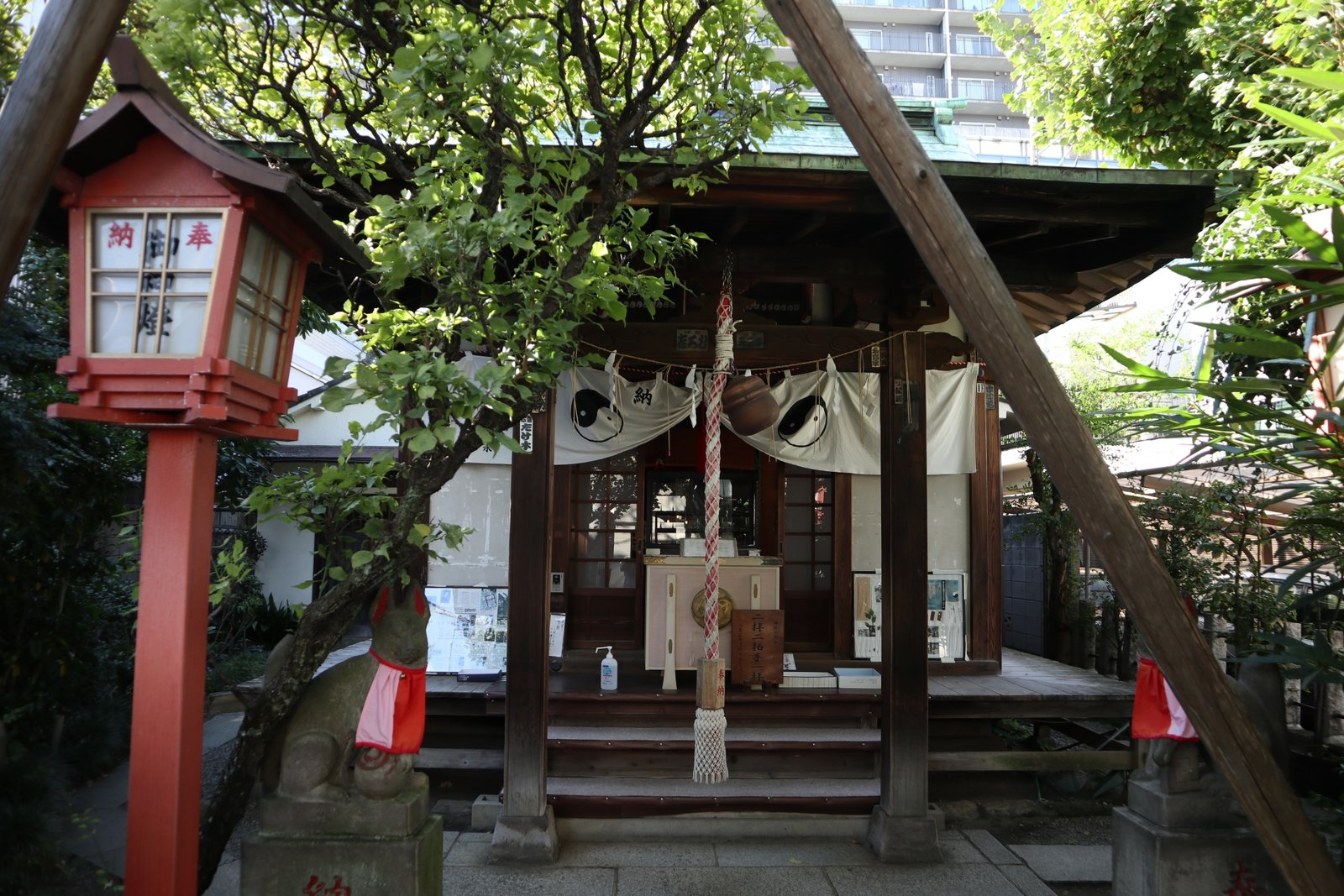
Deep in the quiet backstreets of Yotsuya stands Oiwa Inari Tamiya Shrine, dedicated to the tragic heroine of Yotsuya Kaidan, Japan’s most famous ghost story. The tale tells of Oiwa, a woman betrayed by her husband and driven to despair, whose vengeful spirit haunted those who wronged her.
But time has transformed her image. Today, many Tokyoites visit not out of fear, but to pay respects — praying for protection from betrayal and for strength in relationships. The atmosphere is serene, almost comforting, despite its haunted fame. Offerings of combs and flowers are often left by visitors, symbolizing purification and remembrance.
2️⃣ Old Hakone Turnpike Tunnel (Kanagawa)
Echoes in the Fog
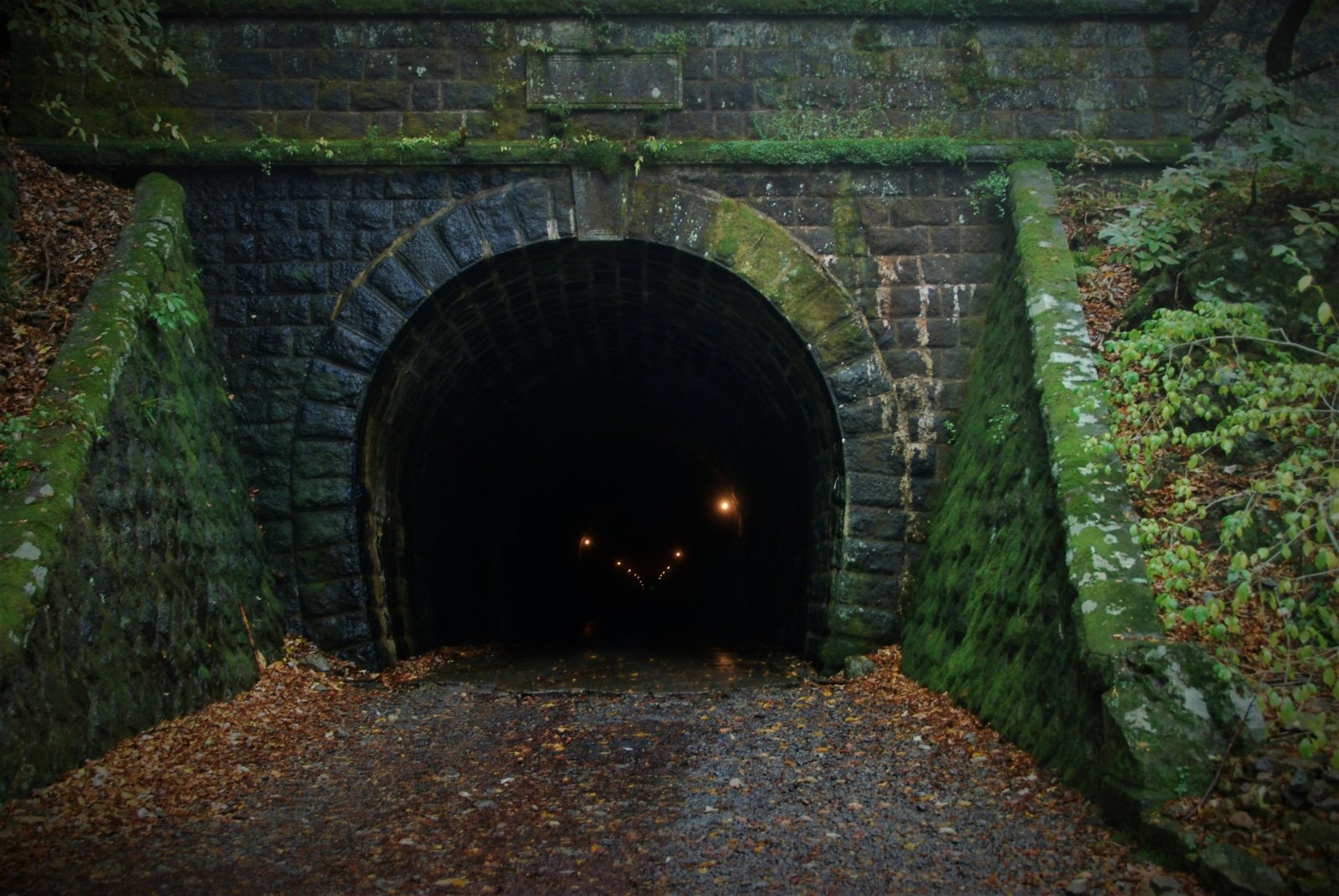
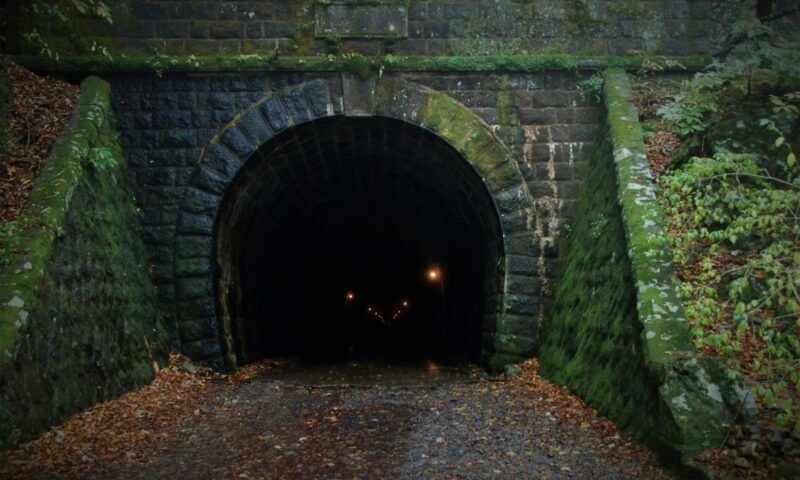
Nestled between Hakone’s misty mountains, this old tunnel has long been a source of local ghost tales. Drivers recount headlights dimming unexpectedly, radios losing signal, and even faint whispers echoing through the darkness.
While many see it as superstition, some historians note that the road traces an Edo-era mountain pass once used by travelers, merchants, and even samurai. The chilling air and dense fog give the sense that the mountain remembers those who once crossed it.
3️⃣ Aokigahara Forest (Yamanashi)
The Sea of Trees and the Silence of the Soul
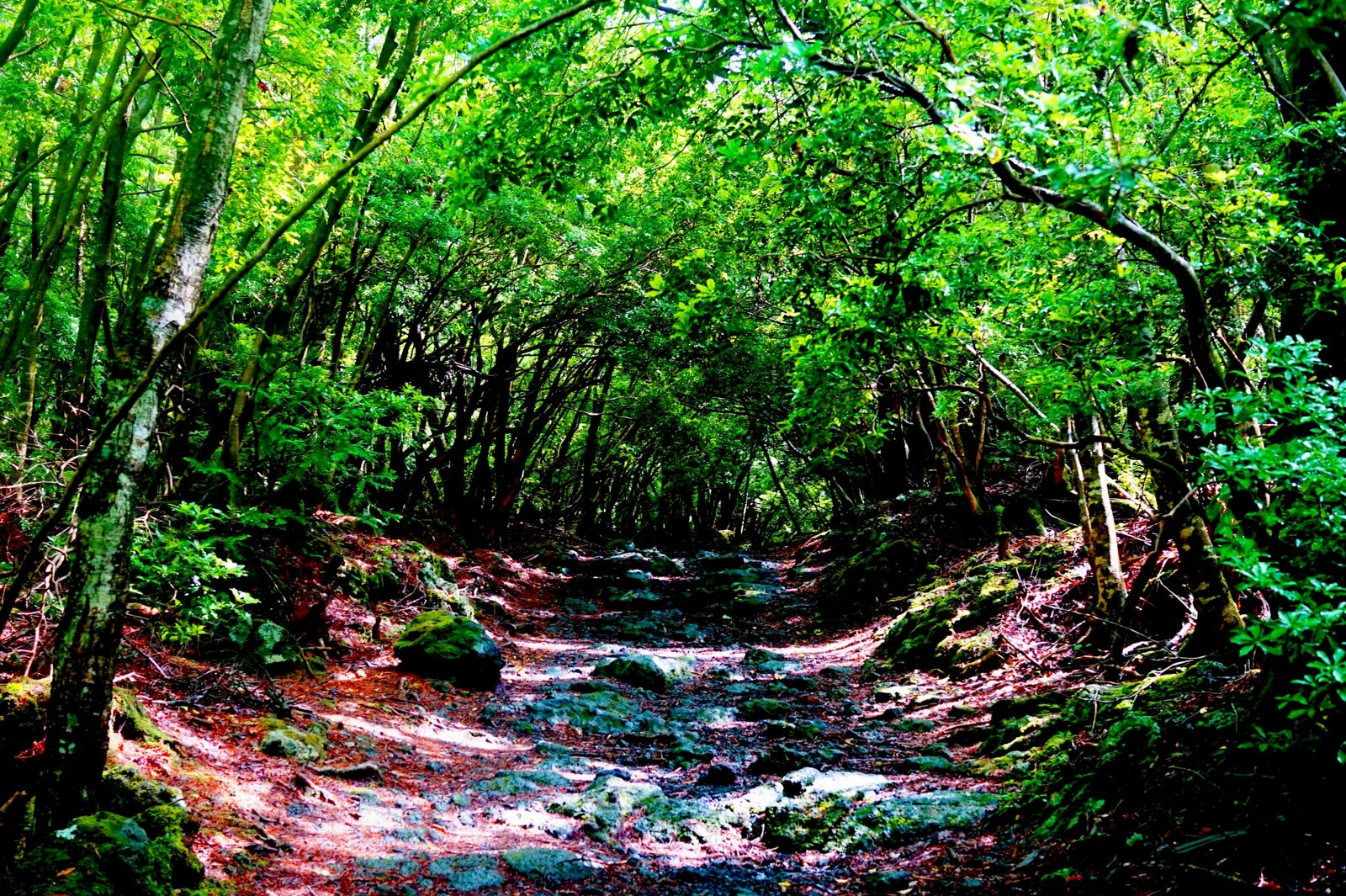
Aokigahara
Often misunderstood abroad, Aokigahara — known as the Sea of Trees — is both beautiful and unsettling. Its dense, moss-covered forest near Mount Fuji is almost soundproof; even the wind seems to disappear inside.
Legends speak of wandering spirits, but locals see it as a sacred place, historically connected to Mount Fuji’s spiritual energy. Visitors are reminded to tread with respect, as the forest is part of Japan’s deep connection between life, death, and nature.
4️⃣ Kisaragi Station (Urban Legend)
The Train That Never Stops
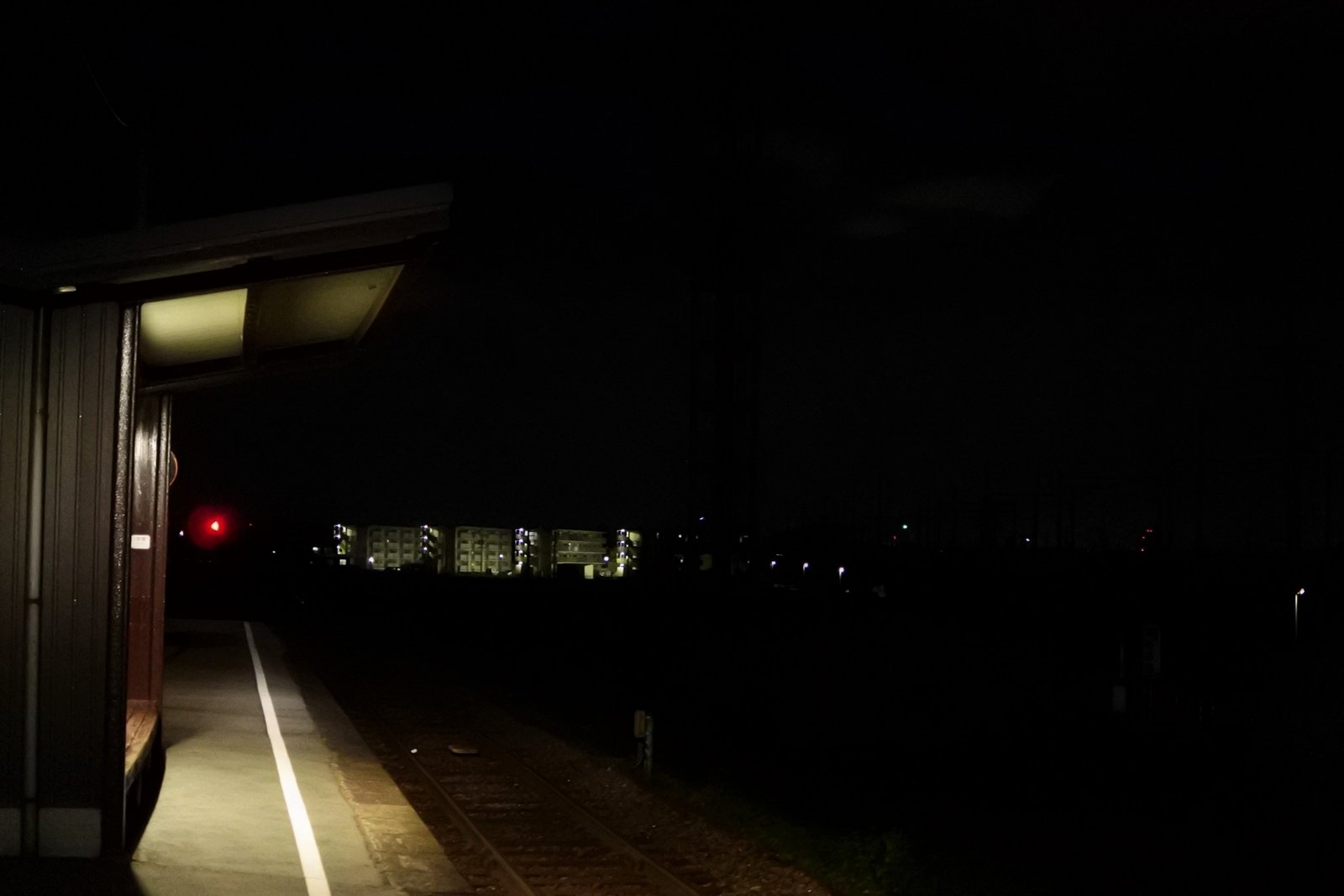
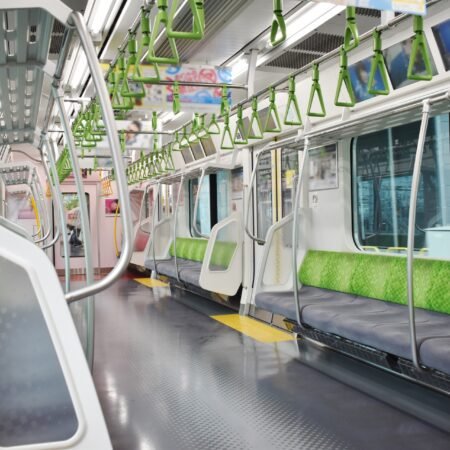
Image is for illustrative purposes only.
It began as a post on an online forum: a woman on a late-night train found herself at “Kisaragi Station” — a stop that doesn’t exist. She described empty cars, endless tunnels, and her messages becoming incoherent before the posts stopped.
No one ever confirmed who she was. The story went viral and became one of Japan’s first digital-age ghost stories. While fictional, the legend reflects Japan’s fascination with liminal spaces — places between reality and dream.
5️⃣ Togakushi Forest (Nagano, near Kanto)
Where the Gods Still Whisper
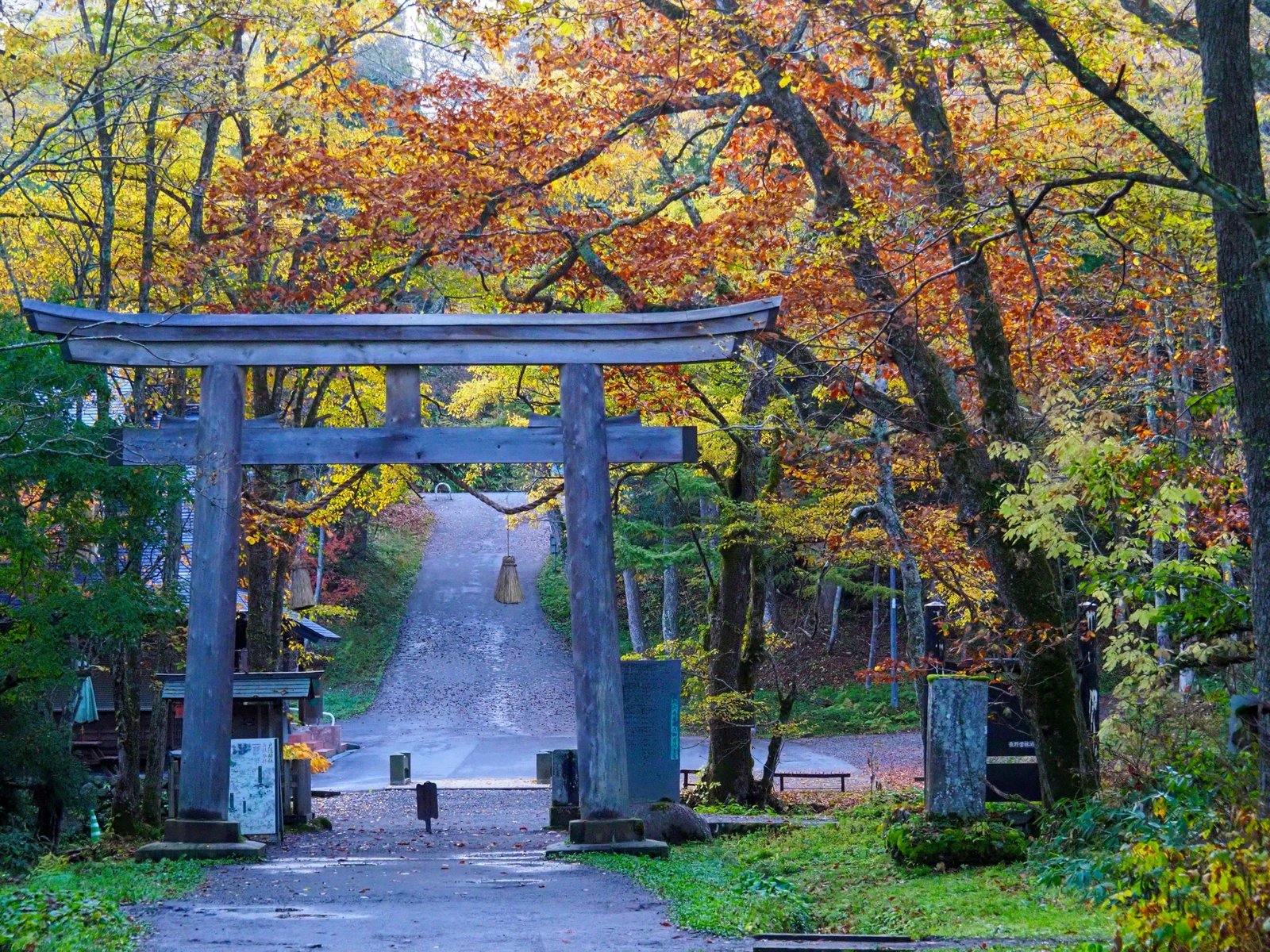
Togakushi Shrine
The forests surrounding Togakushi Shrine are deeply sacred in Japanese mythology — said to be where the gods hid the Sun Goddess Amaterasu’s cave door. Even today, the winding cedar paths exude a spiritual weight.
Some say they hear the sound of bells or footsteps at dusk. Others describe an overwhelming calm, as if the forest itself breathes. It’s not haunted in the Western sense — it’s alive with centuries of worship and silence.
🕯️ Reflection — Why We Seek the Unknown
Japan’s haunted places are not about horror — they’re about memory, reverence, and imagination. Each spot tells a story about what the Japanese call ma — the space between the seen and unseen.
コメント