





Kanto’s Most Sacred Shrines: Where Ancient Japan Still Lives
Category: Shrines
Written from the perspective of a foreigner living in Japan
Japan’s shrines are not museum pieces. They are living places — where locals pray before exams, newborns are introduced to the gods, and ancient festivals bring entire communities into the streets.
The Kanto region is home to some of Japan’s most historically significant and visually stunning shrines — from the lavish gold-leaf mausoleums of Nikko to the forest-wrapped torii of Kamakura. Here’s where to go.
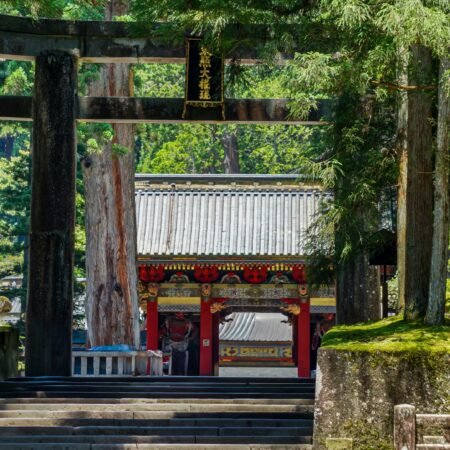
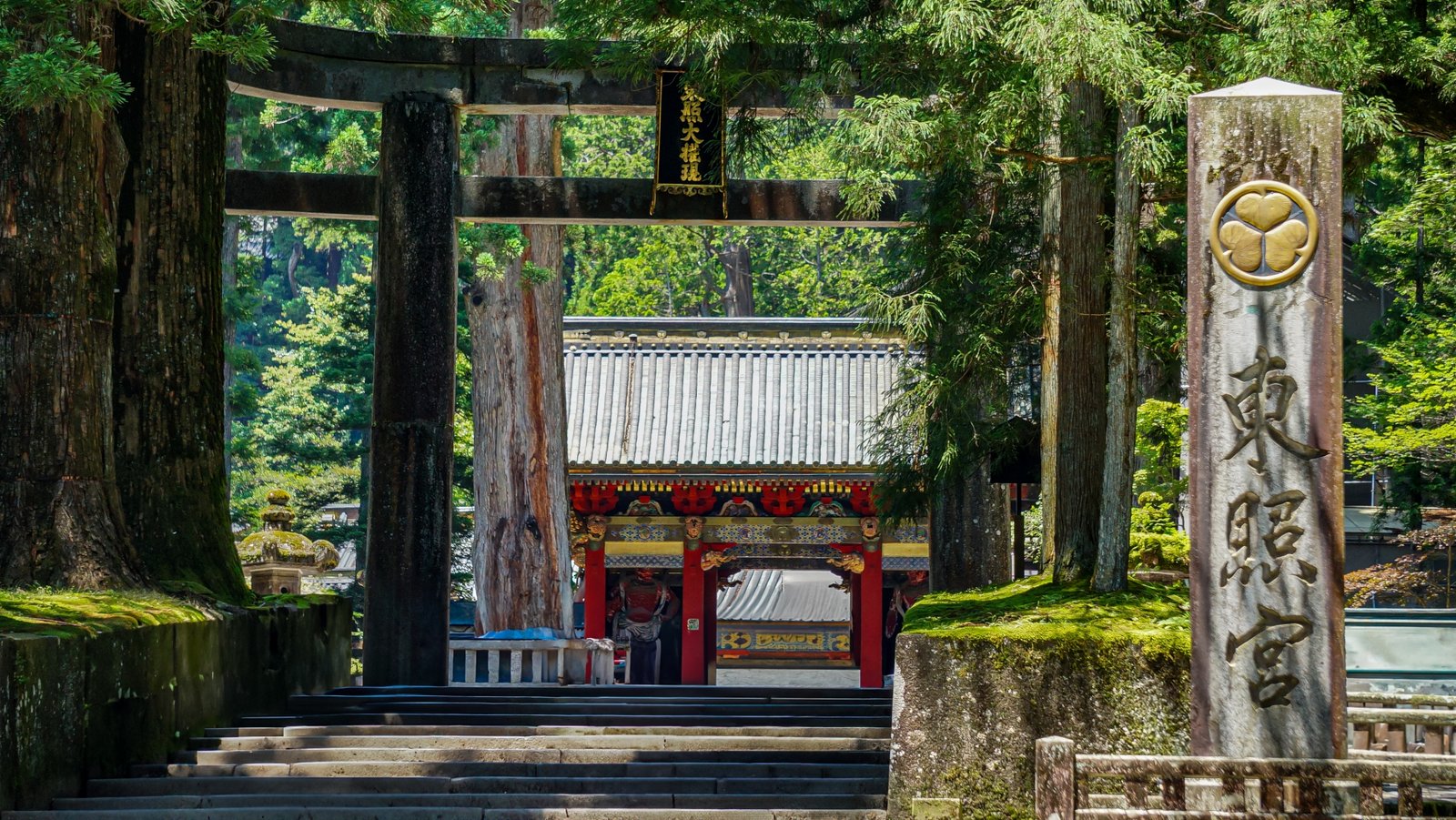
Nikko Tosho-gu — A Shrine Built to Overwhelm
nikko
Access: ~2 hrs from Asakusa (Tobu Nikko Line)
UNESCO World Heritage Site
Tosho-gu was built in 1617 to enshrine Tokugawa Ieyasu, the shogun who unified Japan. Unlike the restrained elegance typical of Japanese architecture, Tosho-gu is deliberately excessive — covered in gold leaf, intricate carvings, and vivid lacquerwork across more than a dozen structures.
Highlights:
- Yomeimon Gate — nicknamed “Twilight Gate” because you could stare at it until dusk
- Nemuri-neko — the famous sleeping cat carving above a gate, symbolizing peace
- Sanzaru — the original “see no evil, hear no evil, speak no evil” monkeys
- Ieyasu’s mausoleum (Okusha) — a quiet forested climb above the main complex
Tips:
- Combine with Futarasan Shrine and Rinnoji Temple in the same complex
- Avoid May 17–18 (Grand Festival) unless you want large crowds
- Wear comfortable shoes — the stone paths and stairs are uneven
Meiji Jingu — Urban Forest, Sacred Calm
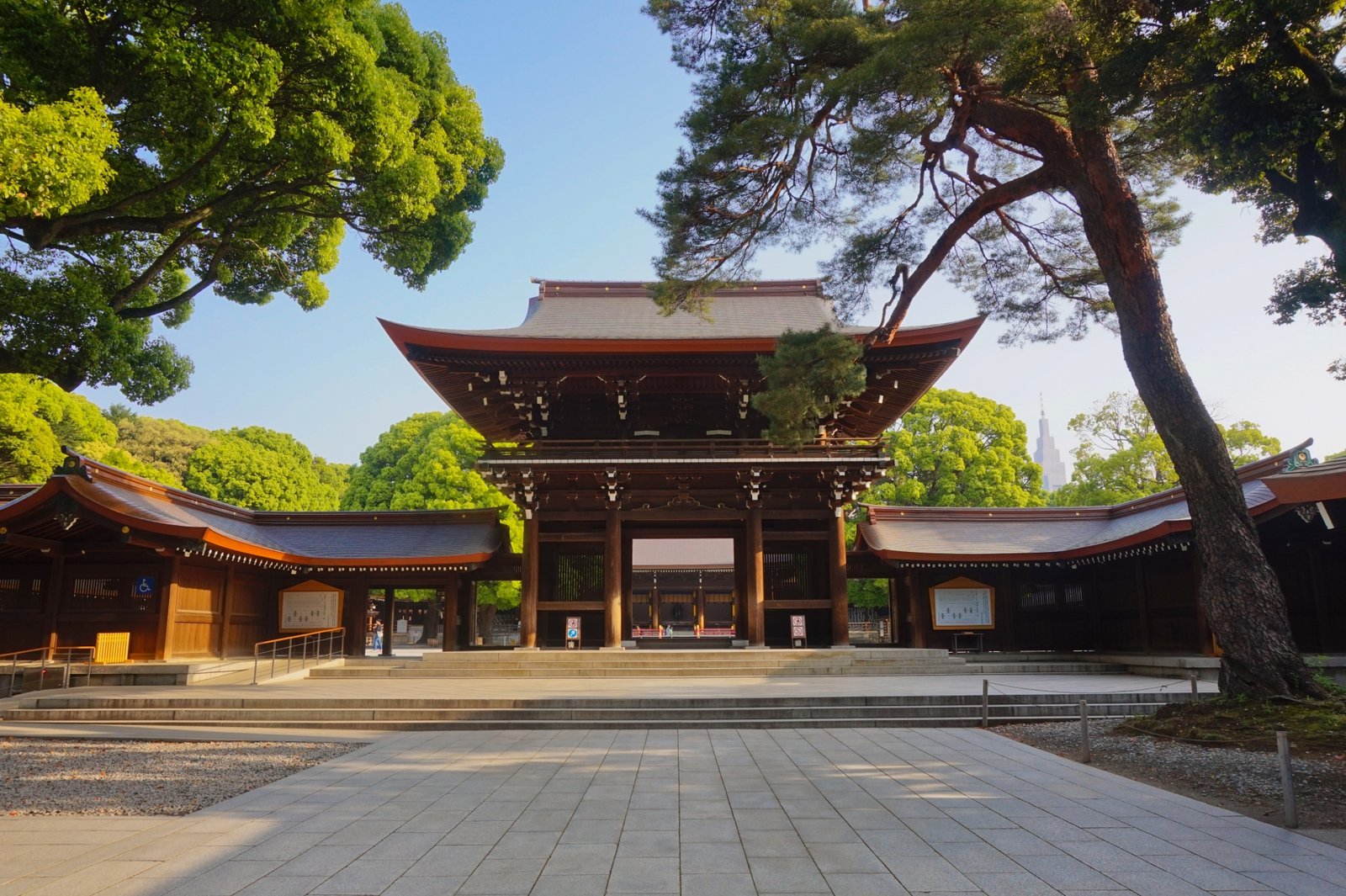
meijijinguu
Access: 5 min walk from Harajuku Station
In the middle of Tokyo’s most fashionable neighborhood lies a 70-hectare forest with a shrine at its heart. Meiji Jingu was built in 1920 to honor Emperor Meiji and Empress Shoken, and the approach through towering cedar trees creates a remarkable transition from city noise to sacred stillness.
Highlights:
- The main torii gate — one of the largest wooden torii in Japan
- Sake barrel offerings (Komotaru) — rows of colorful barrels donated by sake brewers
- Inner garden (Gyoen) — a traditional garden open seasonally, famous for irises in June
- Omamori and ema — some of the most beautifully designed in Tokyo
Tips:
- New Year’s (Jan 1–3) sees 3 million visitors — go early morning or avoid entirely
- Free to enter the main shrine
- Photography is allowed on the approach but restricted at the inner sanctum
Tsurugaoka Hachimangu — Kamakura’s Beating Heart
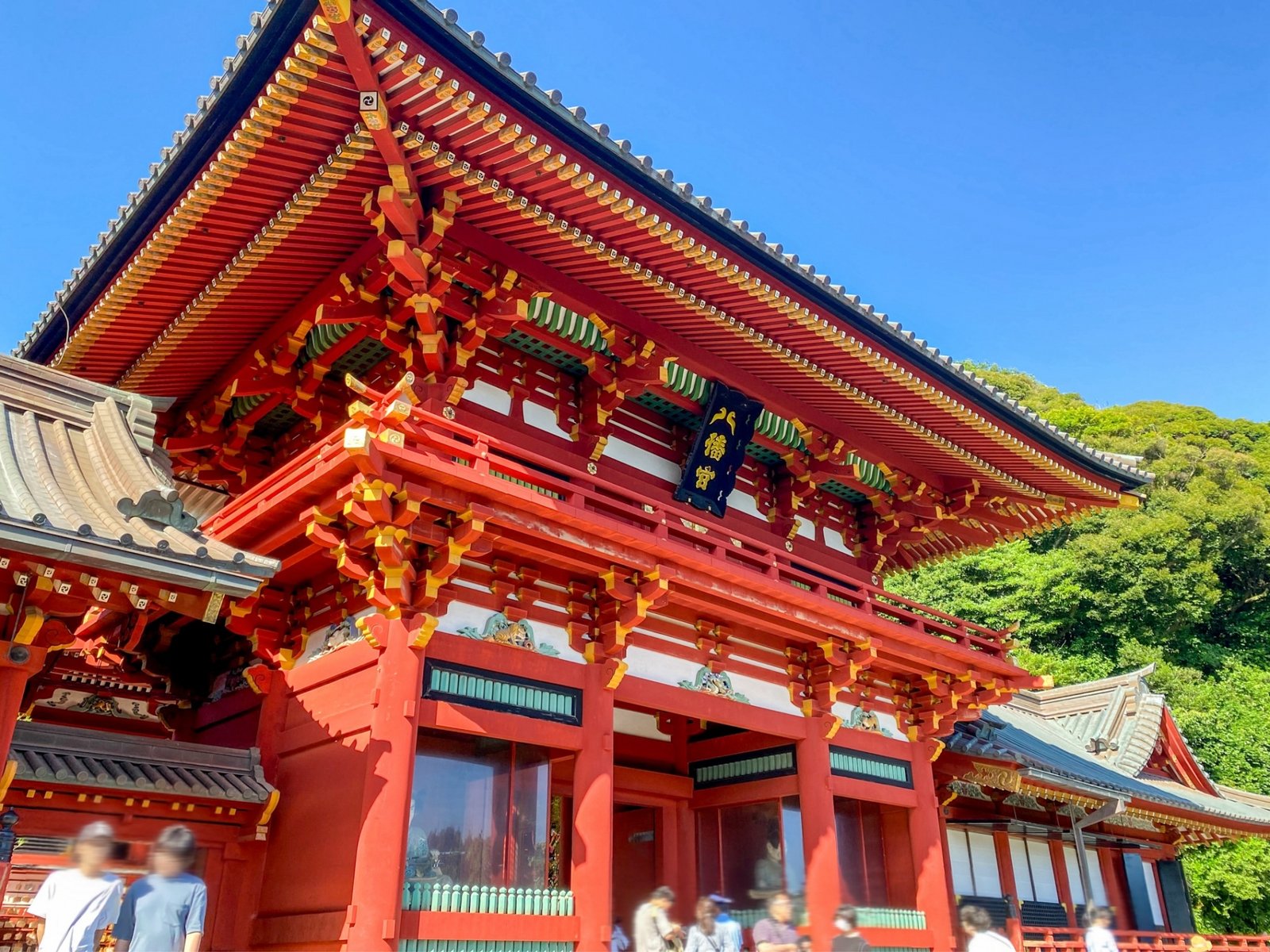
tsurugaokahachimanguu
Access: ~1 hr from Tokyo Station (JR Yokosuka Line)
Kamakura was Japan’s de facto capital during the 12th-13th centuries, and Tsurugaoka Hachimangu was its spiritual center. Built by the samurai Minamoto no Yoritomo, this grand shrine dedicated to Hachiman — the god of war and protector of samurai — still dominates the city from its hillside position.
Highlights:
- Dankazura — the long tree-lined approach stretching from the sea
- Maizurugaoka — elevated main hall with sweeping views over Kamakura
- Genpei Pond — twin lotus ponds symbolizing the Genji and Heike clans
- Kamakura National Treasure Museum on the grounds
Tips:
- Combine with the Great Buddha (Kotoku-in) and Hasedera Temple nearby
- Cherry blossom season (late March–early April) transforms the approach
- Avoid weekends if possible — Kamakura is extremely popular with domestic tourists
Off the Beaten Path — Sawara and Katori Jingu
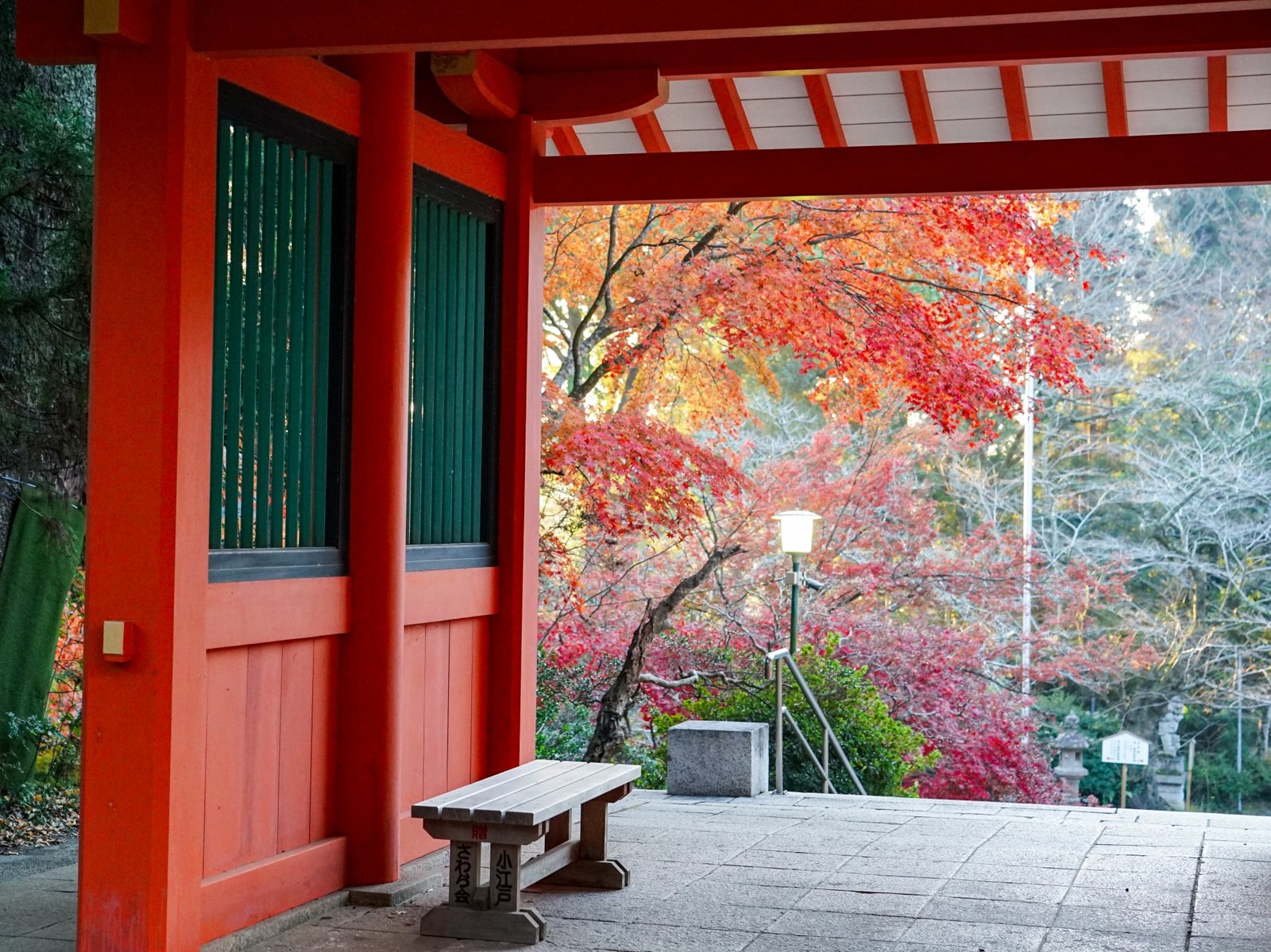
katorijnguu
Access: ~1.5 hrs from Tokyo Station (JR Sobu/Chiba Line)
For travelers who want shrines without the crowds, the Kanto region offers quieter alternatives in lesser-known towns. Sawara in Chiba Prefecture — nicknamed “Little Edo” — pairs a beautifully preserved merchant townscape with the historic Suwa Shrine and nearby Katori Jingu, one of Japan’s oldest and most prestigious shrines.
Katori Jingu Highlights:
- One of only three shrines in Japan with “Jingu” status (alongside Ise and Kashima)
- Dedicated to Futsunushi-no-Kami, deity of martial arts
- Ancient cedar forest surrounds the main hall
Tips:
- Rent a bicycle in Sawara to explore both the townscape and shrines
- Best visited on weekdays — locals frequent it but tourists are rare
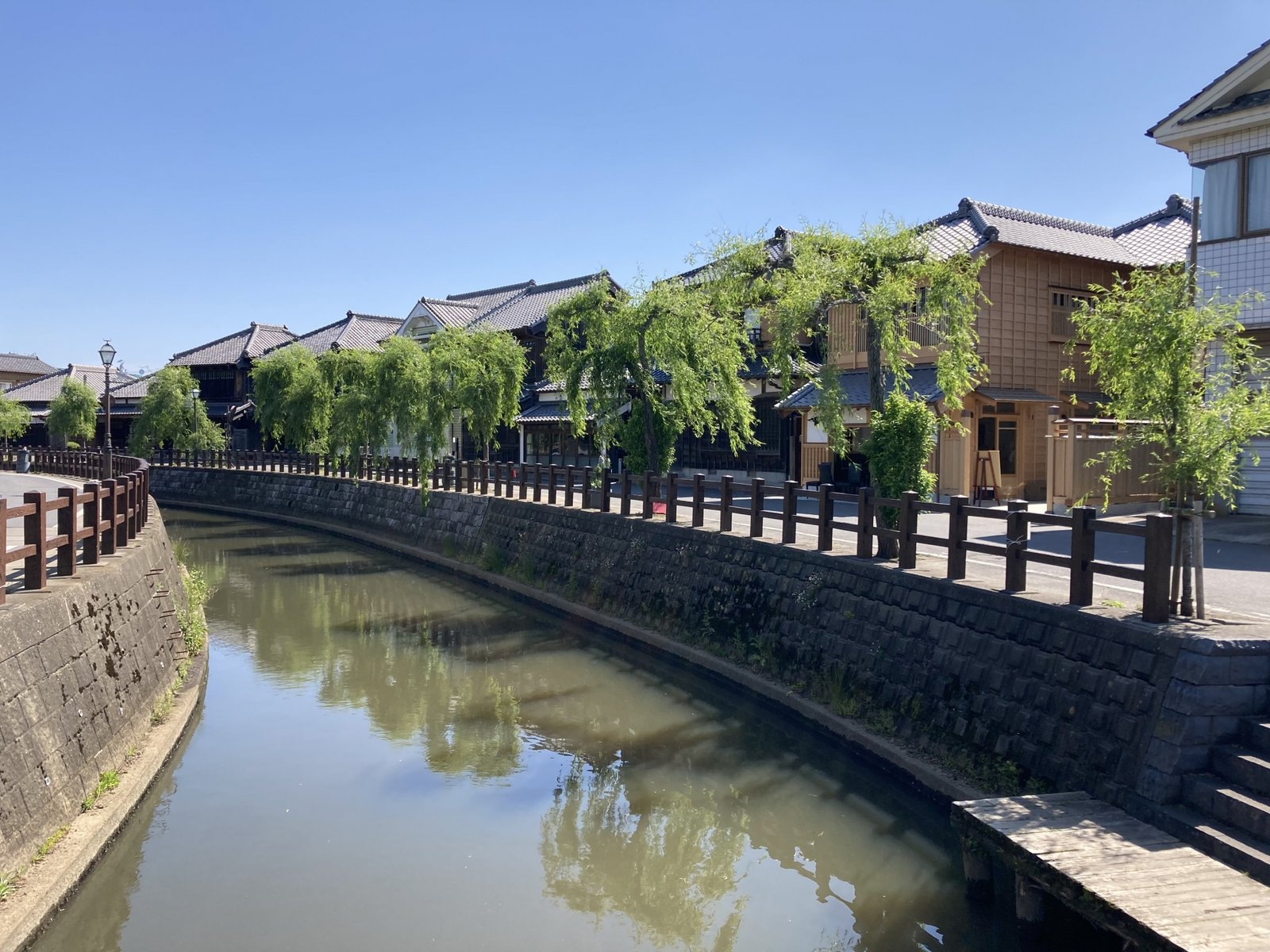
chibasahara
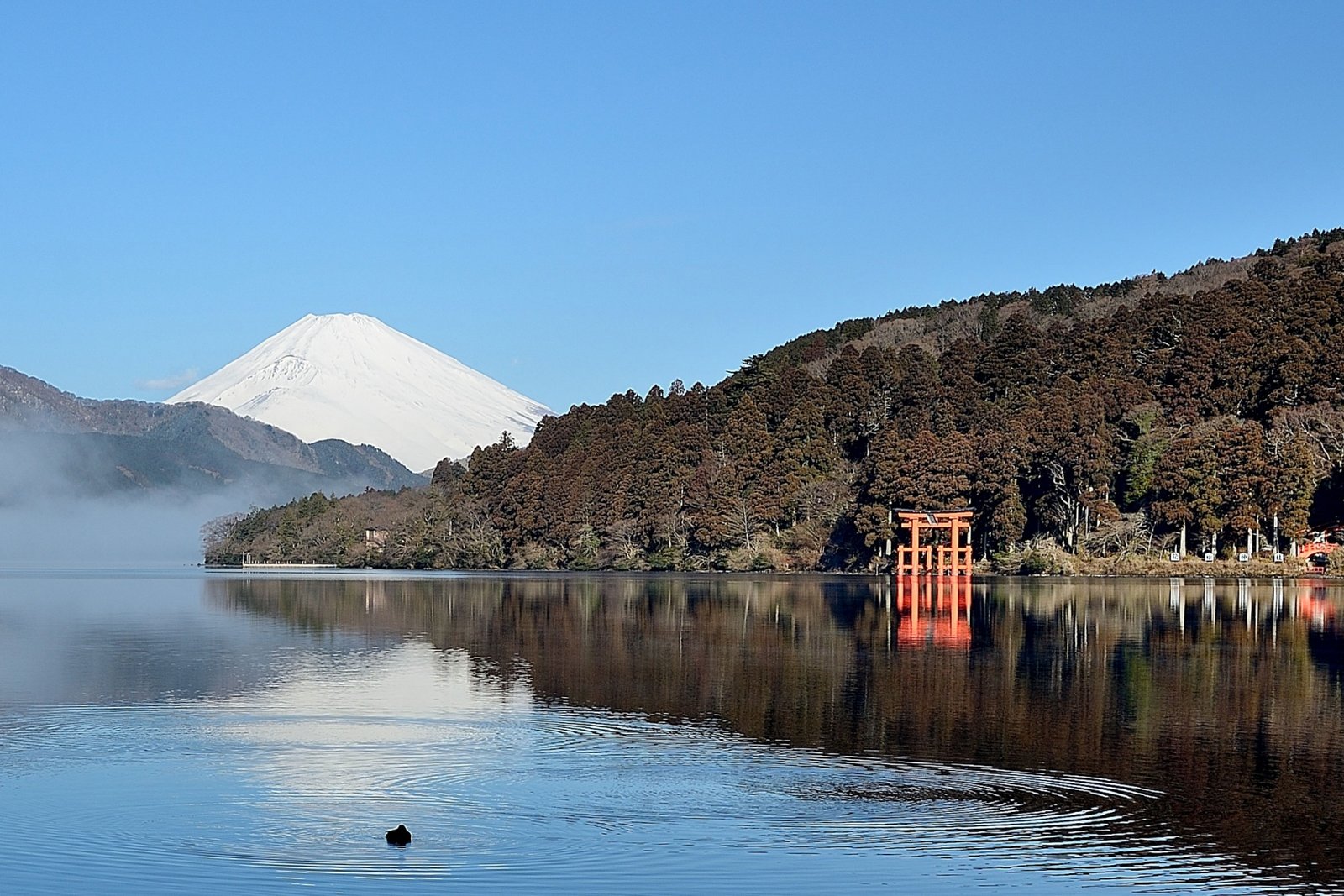
Hakone Shrine — A Torii Rising from the Lake
hakone
Access: ~2 hrs from Shinjuku + bus or boat to Motohakone
Arguably the most photographed shrine in Kanto, Hakone Shrine sits on the shore of Lake Ashi, its red torii gate rising dramatically from the water. It’s a place of visual poetry — and on misty mornings, the torii appears to float between lake and sky.
Highlights:
- Lake Ashi torii gate — best photographed from the lakeside path
- Peace Torii — a newer torii installed in 1952 to mark postwar peace
- Hakone Shrine treasure museum
Tips:
- Take the Hakone Ropeway and Ashi Lake cruise to arrive dramatically
- Early morning (before 9am) offers the best light and fewest crowds
- Combine with Mt. Fuji views from the lake on clear days
Shrine Etiquette: How to Visit Respectfully
Visiting a shrine is not just sightseeing — it’s entering a sacred space. Here’s the basic etiquette:
- Bow at the torii — acknowledge you are entering a sacred space
- Temizuya — purify your hands with water before approaching the main hall
- Offering and prayer — toss a coin, bow twice, clap twice, bow once
- Keep voices low — shrines are active places of worship
- Photography — generally allowed in grounds, but check before photographing the inner sanctum
Final Thoughts
The shrines of Kanto tell Japan’s story across more than a thousand years — from the samurai capital of Kamakura to the Meiji era of modernization, from Tokugawa’s desire to be remembered forever to the quiet forest gods that have been worshipped long before history was written.
Visit them not as a tourist, but as a traveler willing to slow down and listen.
Enjoyed this? Discover Japan’s hidden local spots that don’t make the guidebooks →