





Kyoto Through the Eyes of a Foreign Resident in Japan
Why I Chose This Route
I’ve been living in Japan for a while now, and Kyoto is a place I visit when I want to slow down — not when I want to see famous sights.
This route is what I walk when I want to feel Kyoto as a city people actually live in, not the version built for postcards.
No rush. No checklist. Just walking, observing, and adjusting my pace to the city.
Morning — Daitokuji Area (Learning to Walk Slower)
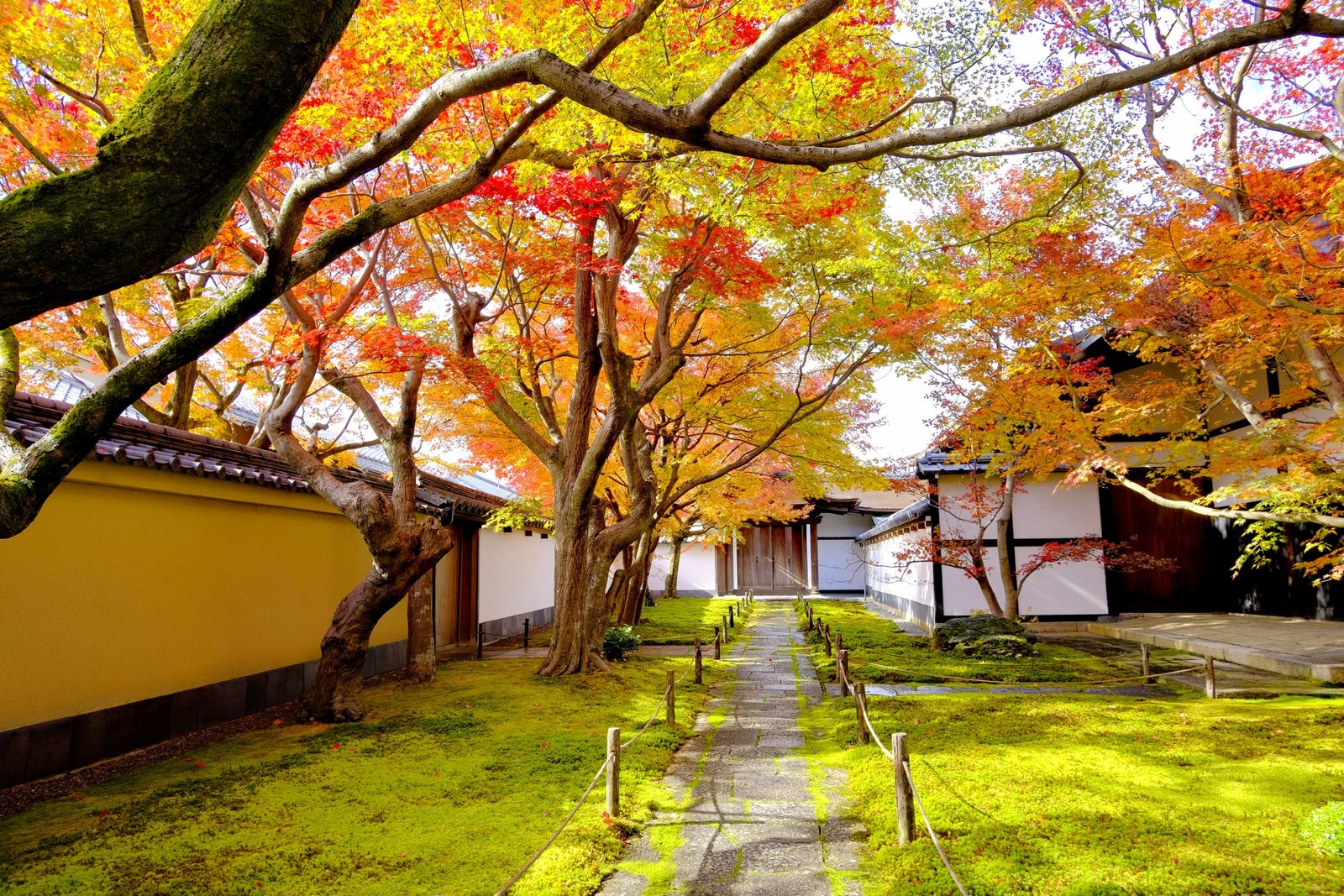
I started my day near Daitokuji, earlier than most tourists arrive.
What struck me wasn’t the temples themselves, but the silence between them.
Bicycles leaned against walls.
A shop owner quietly swept the street.
No one spoke loudly — not because they were told not to, but because it simply felt wrong to.
Living in Japan teaches you this quickly:
sometimes the correct behavior is to do less.
I slowed my steps without thinking about it.
Late Morning — Nishijin (Where Kyoto Still Feels Personal)
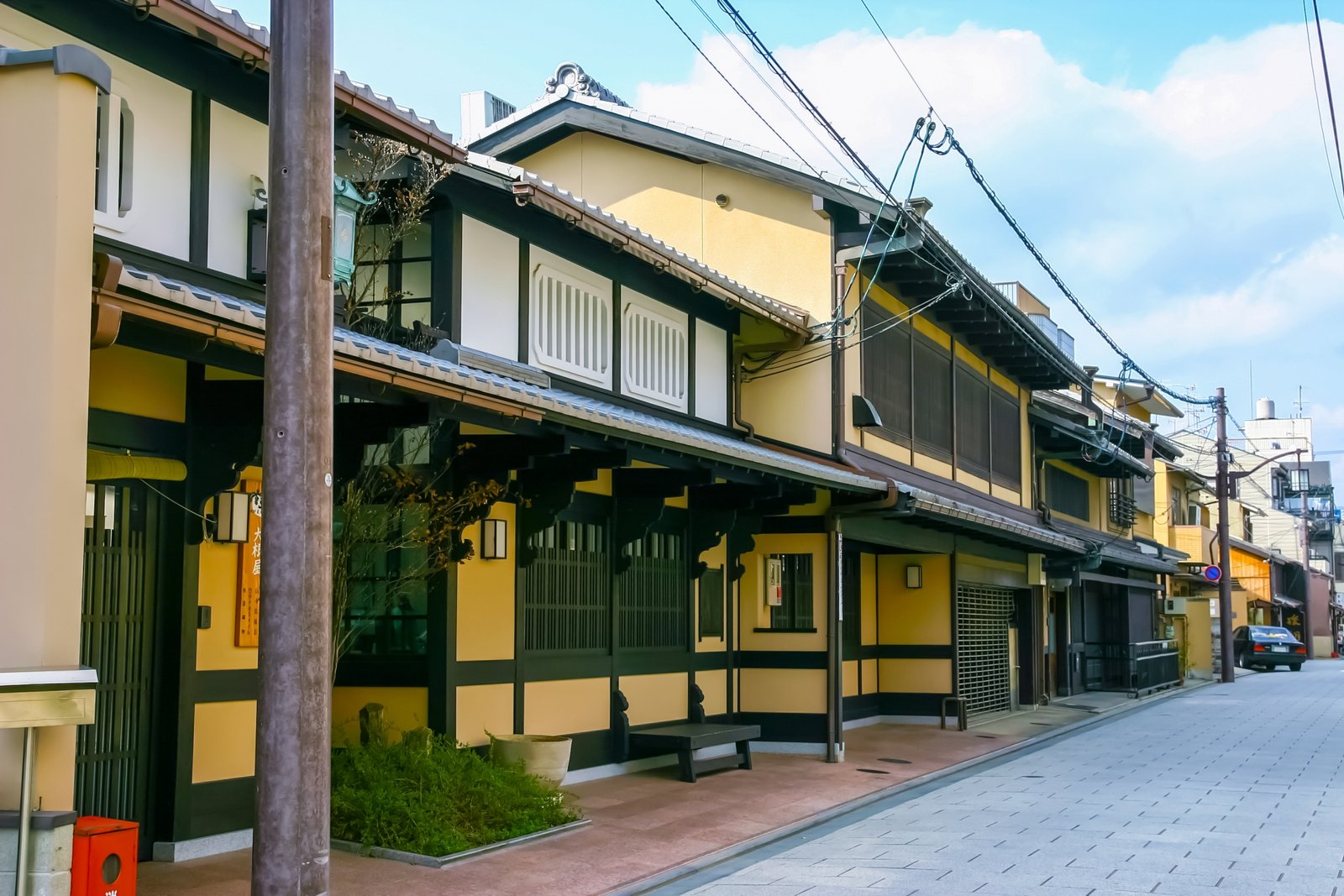
From Daitokuji, I walked south into Nishijin.
This area doesn’t try to impress you. That’s exactly why I like it.
Old wooden houses stand next to modern renovations.
Some doors are open, some closed.
You’re constantly reminded that this is someone’s neighborhood — not a backdrop.
As a foreign resident, I’ve learned to notice when a place feels private.
Here, I kept my phone in my pocket and just walked.
Kyoto reveals more when you stop trying to capture it.
Lunch — Choosing a Place with No English
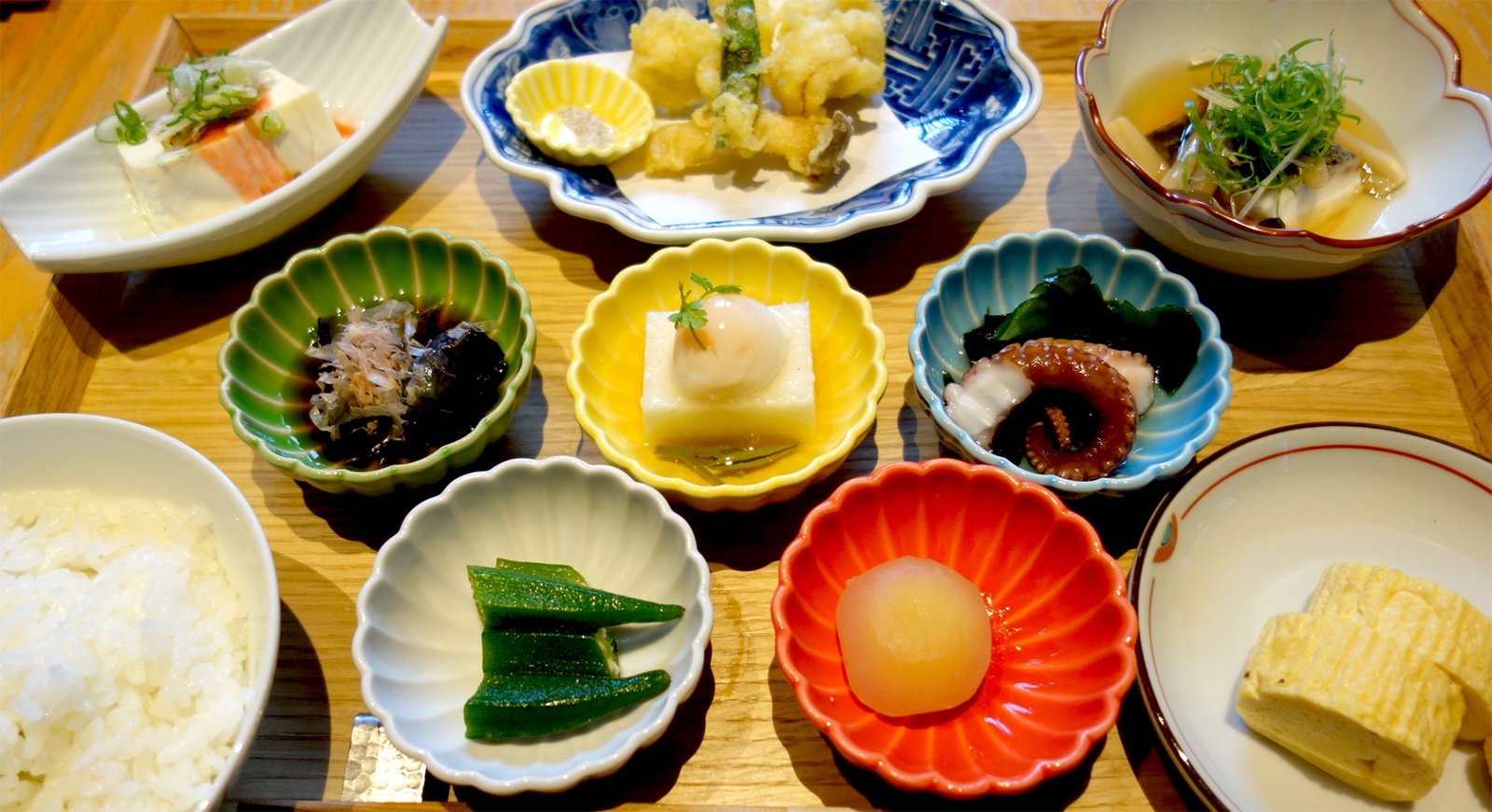
For lunch, I picked a small restaurant with no English menu and no sign outside.
These places usually aren’t trying to attract anyone — they’re just feeding locals.
I ordered simply, ate quietly, and finished everything.
No photos. No commentary.
Just observing how people around me behaved and matching that energy.
In Kyoto, blending in is a form of respect.
Afternoon — Rokuhara & Gojo (The Space Between)
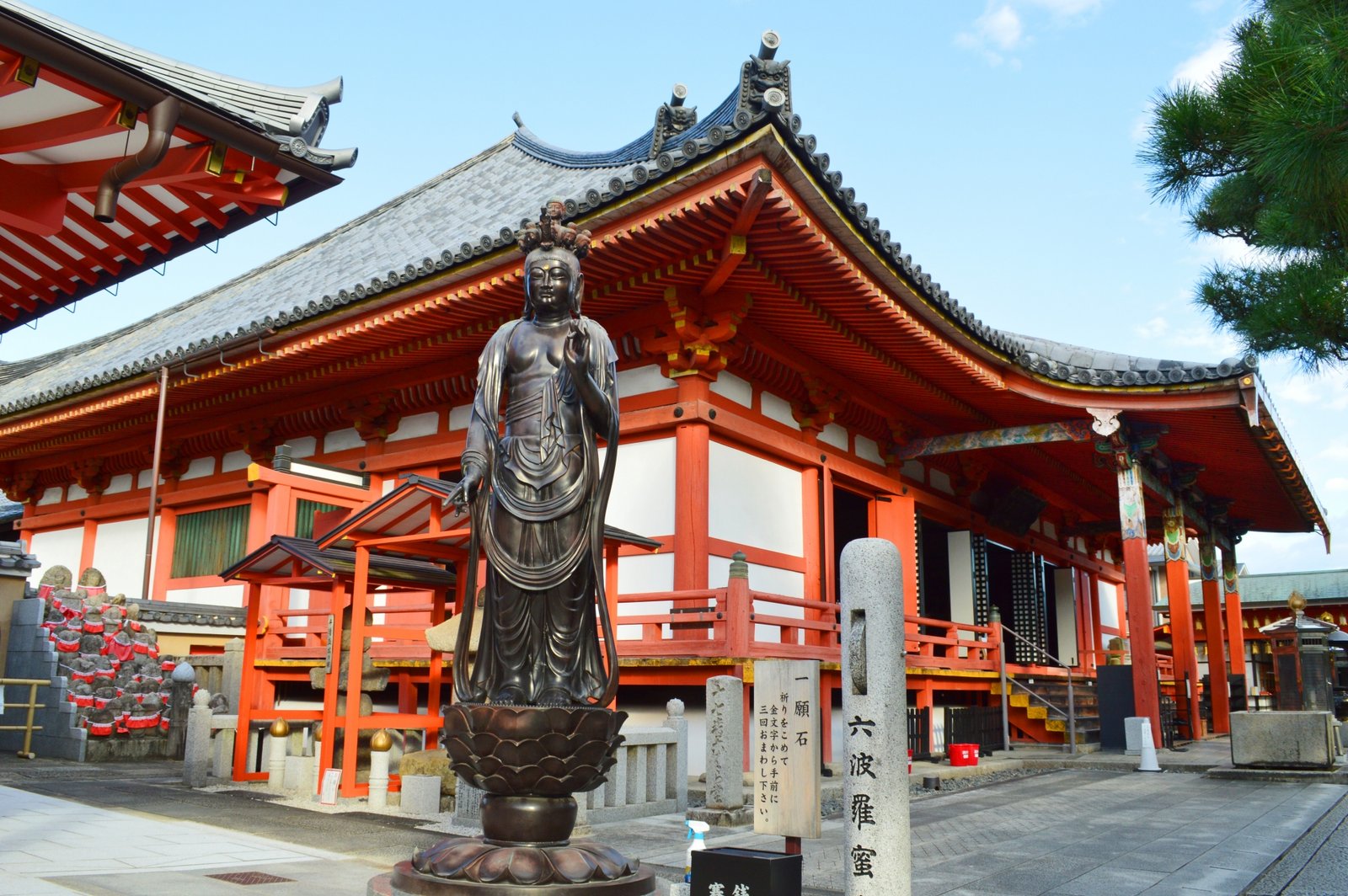
After lunch, I headed toward Rokuhara and Gojo.
This area feels like a transition zone — between temples tourists know and streets tourists ignore.
The noise dropped noticeably.
The streets narrowed.
People passed me without eye contact, not out of coldness, but normalcy.
As someone living in Japan, this is the Kyoto I return for —
not dramatic, not decorative, just quietly functioning.
Late Afternoon — Behind Pontocho (Knowing When to Stop)
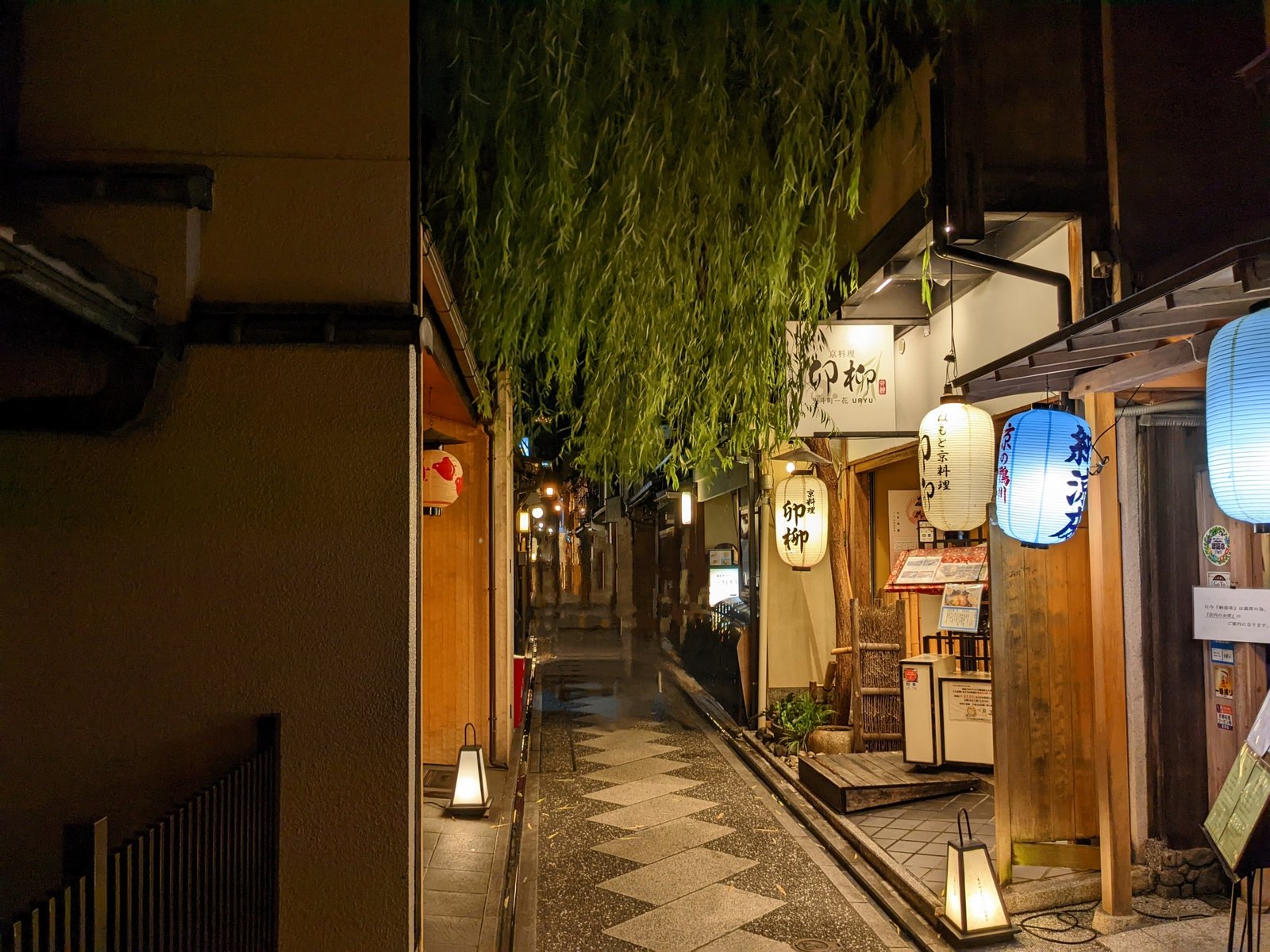
I ended the walk behind Pontocho, deliberately staying off the famous street itself.
One block made all the difference.
Here, I was careful:
-
No stopping suddenly
-
No photos
-
No lingering
Living here teaches you when to step back.
Some places aren’t meant to be explored — only passed through respectfully.
That felt like the right way to end the day.
Final Thoughts
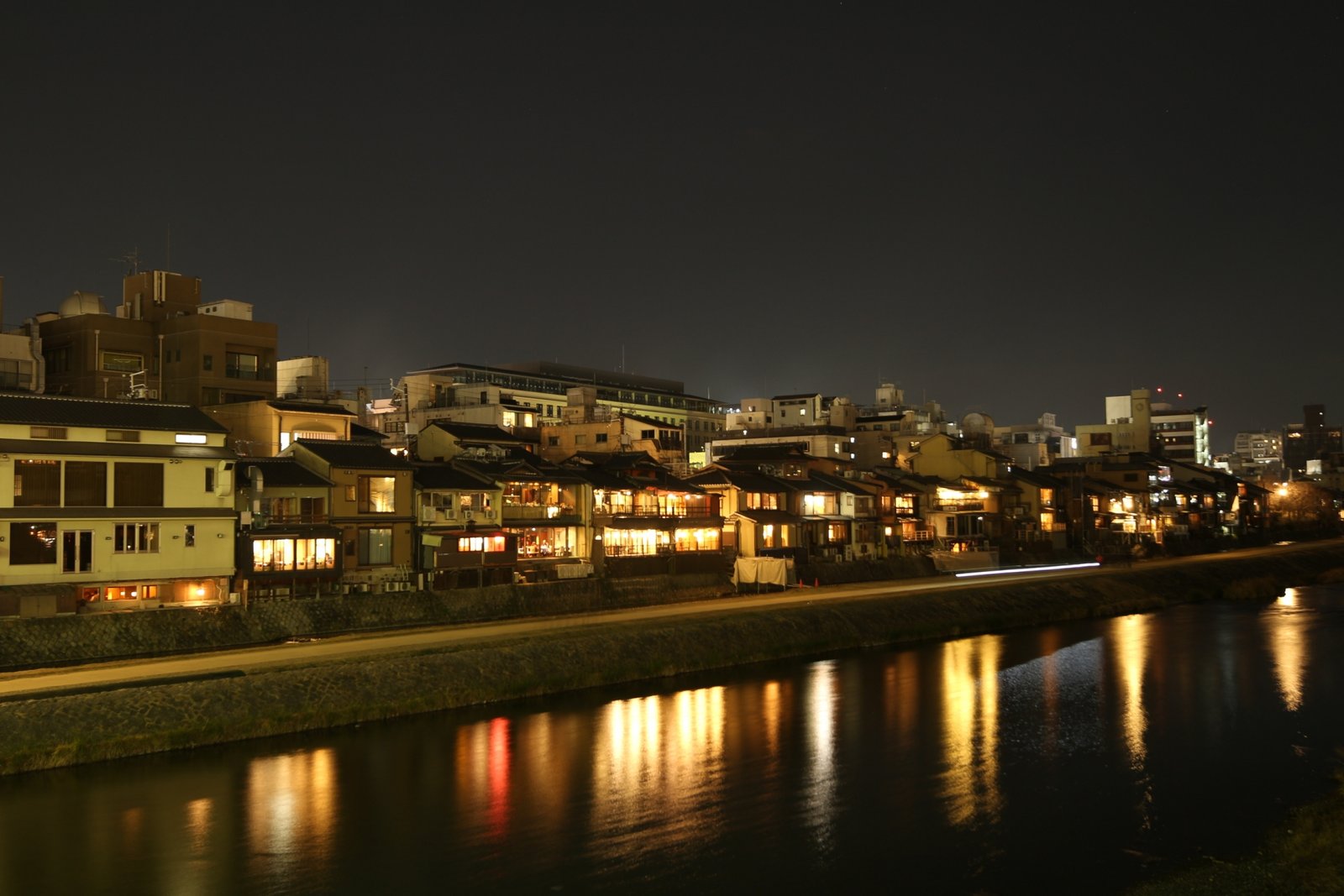
This half-day walk isn’t about discovering hidden spots.
It’s about learning how to exist in Kyoto, even briefly.
As a foreigner living in Japan, I’ve learned that the best travel moments come when you stop acting like a visitor.
Kyoto doesn’t open up when you look harder —
it opens up when you quiet down.
コメント