





How to Respect Japan’s Most Refined City
1️⃣ Why Manners Matter More in Kyoto
Kyoto is not just a tourist destination — it is a living city shaped by centuries of tradition, spirituality, and quiet pride.
What may feel like casual behavior elsewhere in Japan can feel intrusive here.
Understanding Kyoto’s etiquette is key to experiencing the city beyond its temples and photos.
2️⃣ Quiet Is a Form of Respect
Kyoto values subtlety and calm.
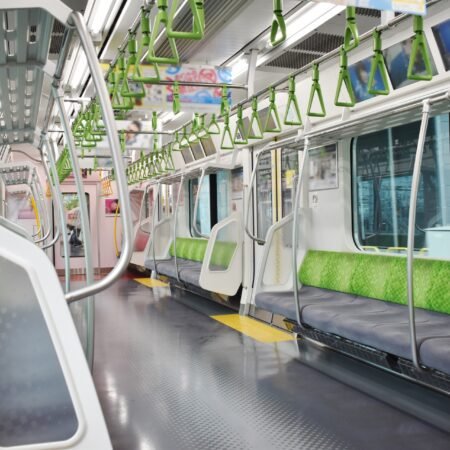
Speaking loudly on streets, in temples, or on public transport is often seen as disruptive.
Even in busy areas, locals tend to keep conversations soft and controlled.
Silence here is not emptiness — it is courtesy.
3️⃣ Temple & Shrine Etiquette
When visiting temples and shrines:
-
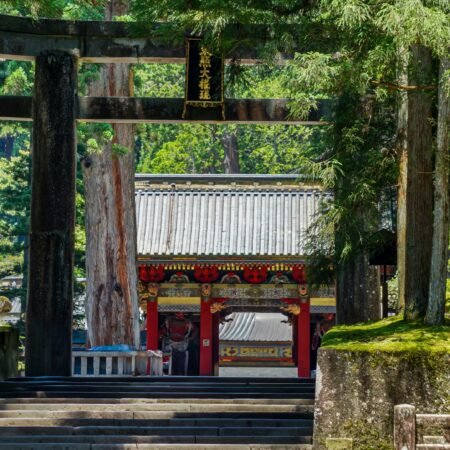
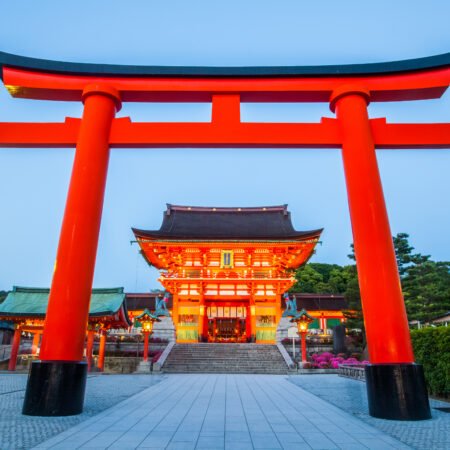
Bow lightly before entering torii gates
-
Walk to the side of the path, not the center
-
Avoid touching sacred objects unless permitted
-
Photography may be restricted — signs matter
Treat these places as active spiritual sites, not museums.
4️⃣ Respecting Residential Streets
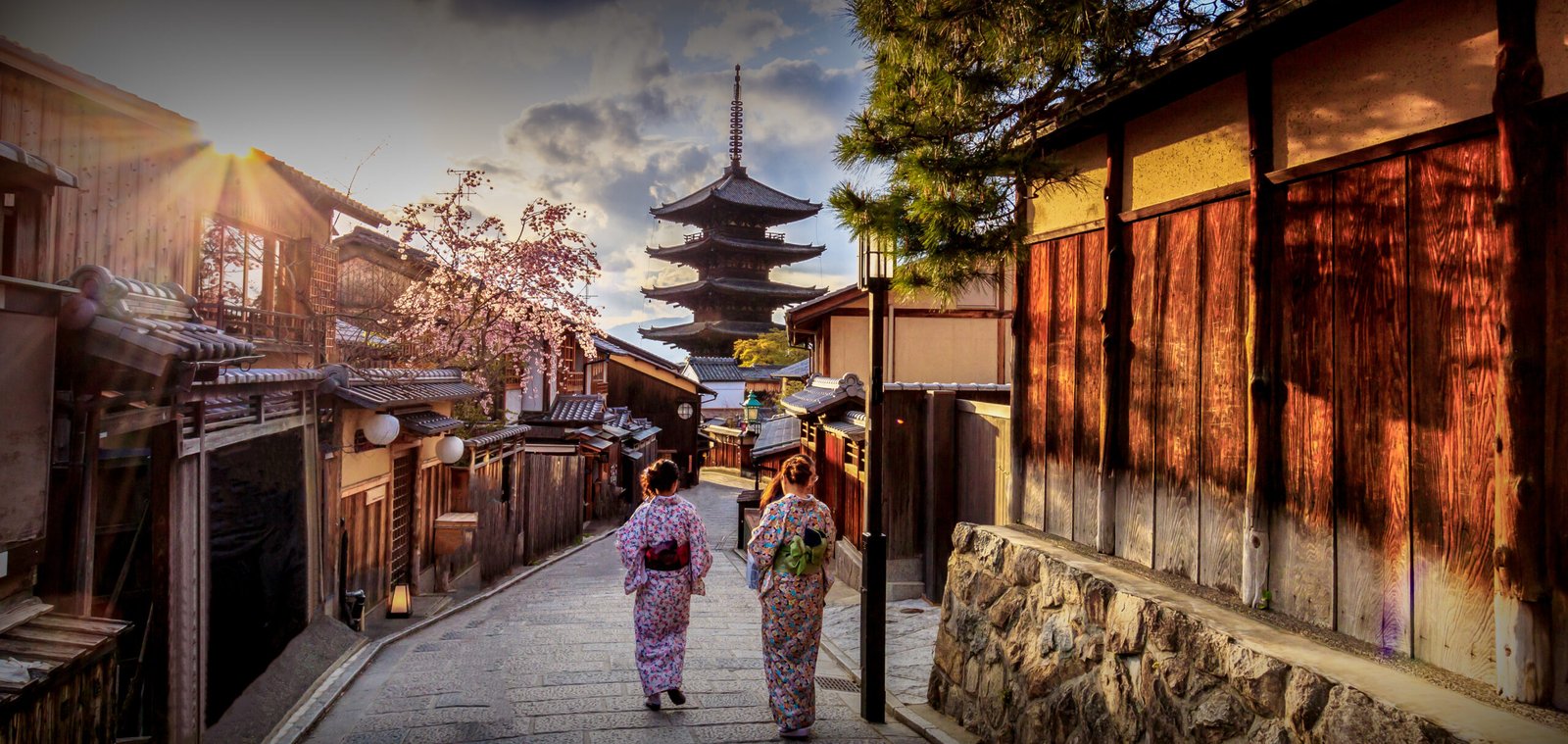
Many of Kyoto’s most beautiful areas are quiet residential neighborhoods.
Entering small alleys, blocking doorways, or stopping suddenly for photos can disturb daily life.
If a street feels like someone’s living space — it probably is.
5️⃣ Photography Awareness
Kyoto is one of Japan’s most photographed cities, which has led to strict local rules in some areas.
-
Never photograph people without permission
-
Some streets ban photography entirely
-
Do not chase or surround geiko or maiko
Respecting privacy is essential to preserving Kyoto’s culture.
6️⃣ Dining Etiquette in Kyoto
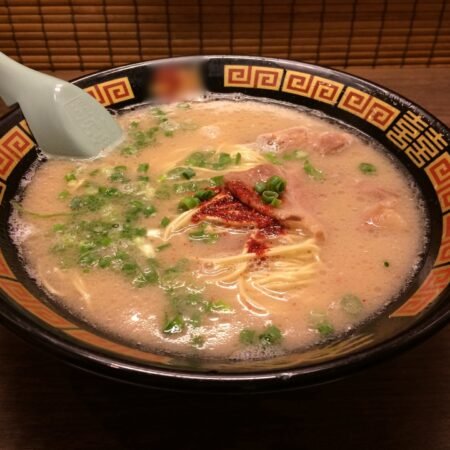
Kyoto cuisine emphasizes seasonality and balance.
-
Avoid strong perfumes when dining
-
Finish what you order
-
Appreciate presentation as much as taste
In small traditional restaurants, quiet appreciation is often valued more than verbal praise.
7️⃣ Public Behavior & Body Language
Gestures are subtle in Kyoto.
-
Excessive pointing or animated movements can feel intrusive
-
Queue calmly and follow unspoken order
-
Apologies and thank-yous go a long way
Politeness here is often expressed through restraint.
8️⃣ The Spirit of “Reading the Air”
In Kyoto, many rules are unspoken.
Locals expect visitors to observe, adapt, and sense what is appropriate.
This concept — reading the air — is one of the city’s deepest cultural values.
9️⃣ A Visitor’s Perspective
Many travelers say Kyoto feels different from the rest of Japan — calmer, stricter, but also deeply rewarding.
Once you slow down, lower your voice, and observe carefully, the city opens itself quietly to you.
🏁 Closing Thoughts
Kyoto does not demand perfection — it asks for awareness.
By acting thoughtfully and respectfully, visitors don’t just see Kyoto; they harmonize with it.
That harmony is what turns a visit into a meaningful experience.