





1️⃣ Introduction — Not Found in Ordinary Guidebooks
Nishinari, especially the Airin District near Shin-Imamiya and Dobutsuen-Mae, is one of Osaka’s most intense and misunderstood areas.
It’s a neighborhood shaped by working-class history, cheap lodgings, and a strong sense of community.
For travelers searching for something deeper than polished sightseeing routes, this place offers an unforgettable look into the real Osaka.
2️⃣ Ultra-Budget Guesthouses & Backpacker Culture
Over the last decade, Nishinari has become a surprising hotspot for adventurous backpackers.
Renovated guesthouses, once known as doya inns, now welcome international travelers, with beds sometimes costing less than ¥2,000 per night.
Long-term visitors gather here, exchanging stories about life, work, and travel beyond mainstream tourism.
3️⃣ Daytime Drinking & Unique Street Culture
One of the most iconic elements of Nishinari is its lively daytime drinking scene.
Standing bars and old-school izakaya fill the streets, serving cheap beer and hearty dishes while regulars chat passionately about sports, work, or life.
The atmosphere may seem intense at first, but it’s surprisingly warm and human once you step inside.
4️⃣ Walking Through the Neighborhood
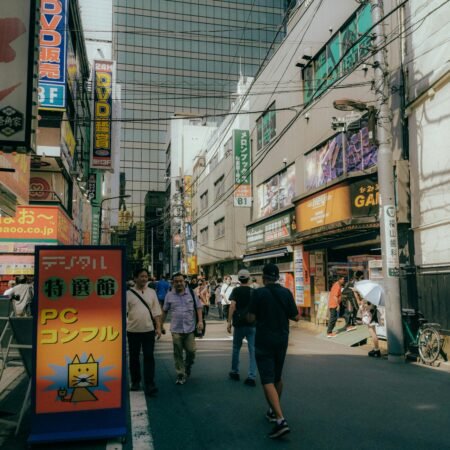
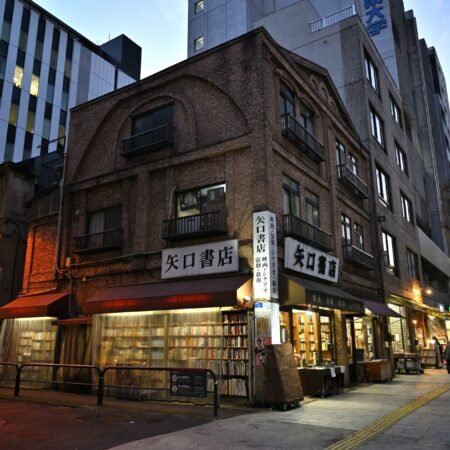
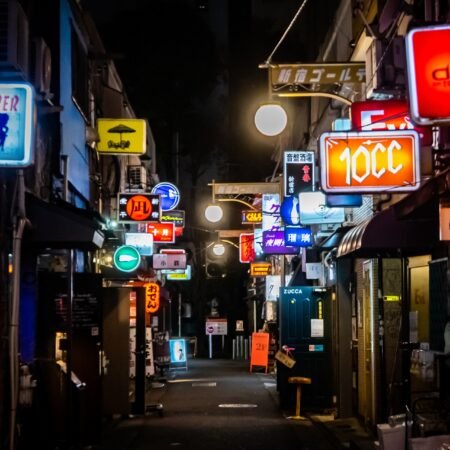
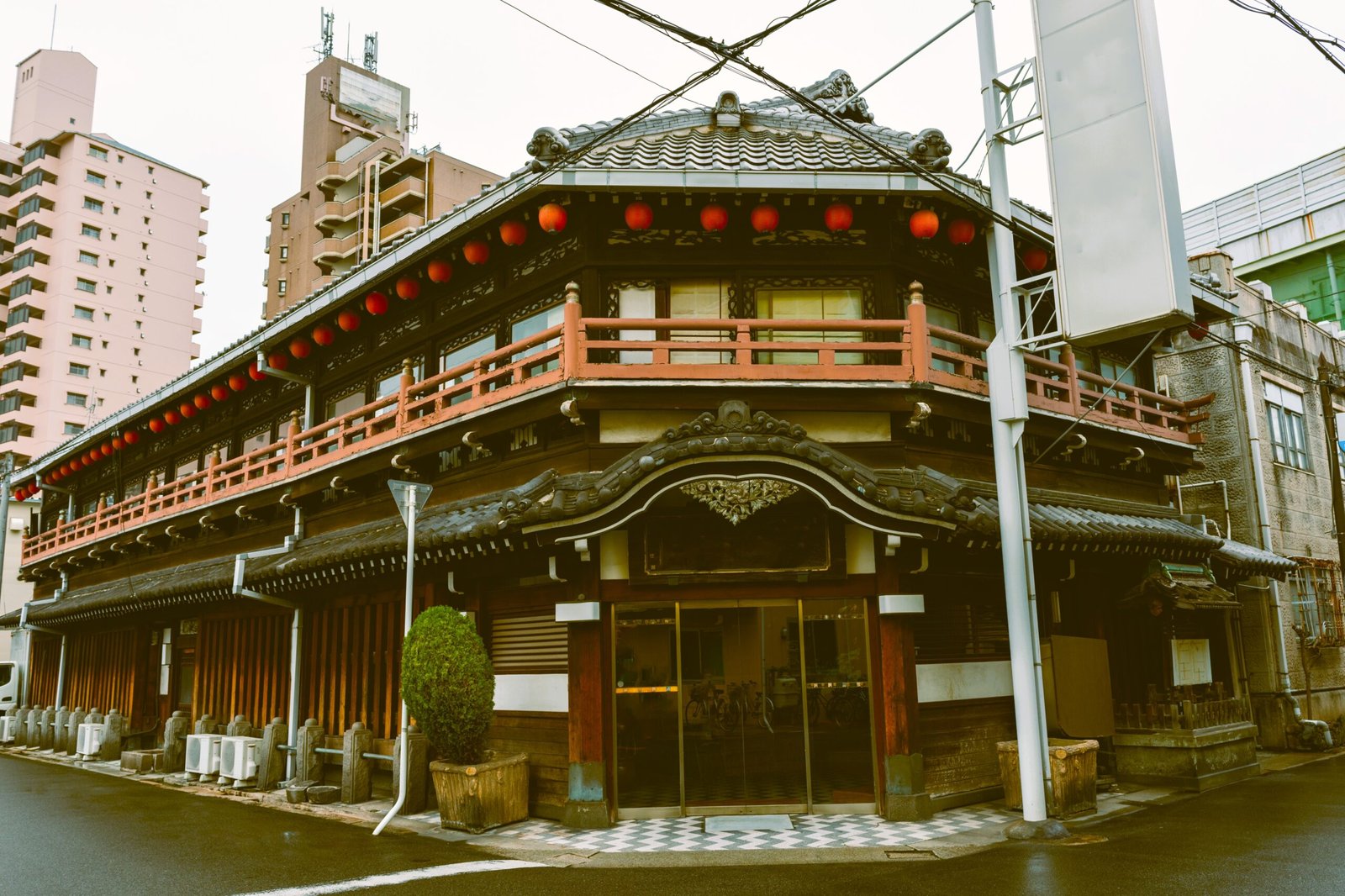
Walking through narrow back alleys reveals murals, retro storefronts, small public parks, and groups of locals playing shogi outdoors.
Life here is open and visible — nothing polished, nothing hidden.
It’s a powerful reminder that cities are made of people, not tourist attractions.
5️⃣ Tips & Safety Notes
Nishinari is generally safe during the day, but visitors should remain aware of their surroundings and avoid taking photos of people without permission.
Night visits are possible, but sticking to active streets or exploring with others is recommended.
Respect and sensitivity are key when visiting.
6️⃣ A Personal Experience
The first time I visited Nishinari, I felt overwhelmed by the contrast — toughness and kindness, silence and noise, vulnerability and pride all layered together.
After sitting in a tiny bar and sharing drinks with locals, something clicked:
This place isn’t trying to impress anyone. It’s real.
You don’t just walk through Nishinari — you feel it.
7️⃣ Closing Thoughts
Nishinari isn’t a tourist attraction; it’s a living community with depth, struggle, resilience, and soul.
If approached with curiosity and respect, it becomes one of the most meaningful experiences you can have in Osaka — a reminder that authenticity is sometimes found in the roughest edges of a city.